Projects: installed sound systems

Fifty-two photographs from recent commissions across five sectors – KTV and nightlife, cinema and theatre, conference and banquet, live and outdoor, and the racks that tie them together. Every system below was built around Mils Audio amplification; the rack shots show how the channels are actually split, wired and labelled on site.

KTV, clubs and bars

Entertainment rooms where durability and vocal clarity matter more than raw wattage – these rooms run six nights a week.
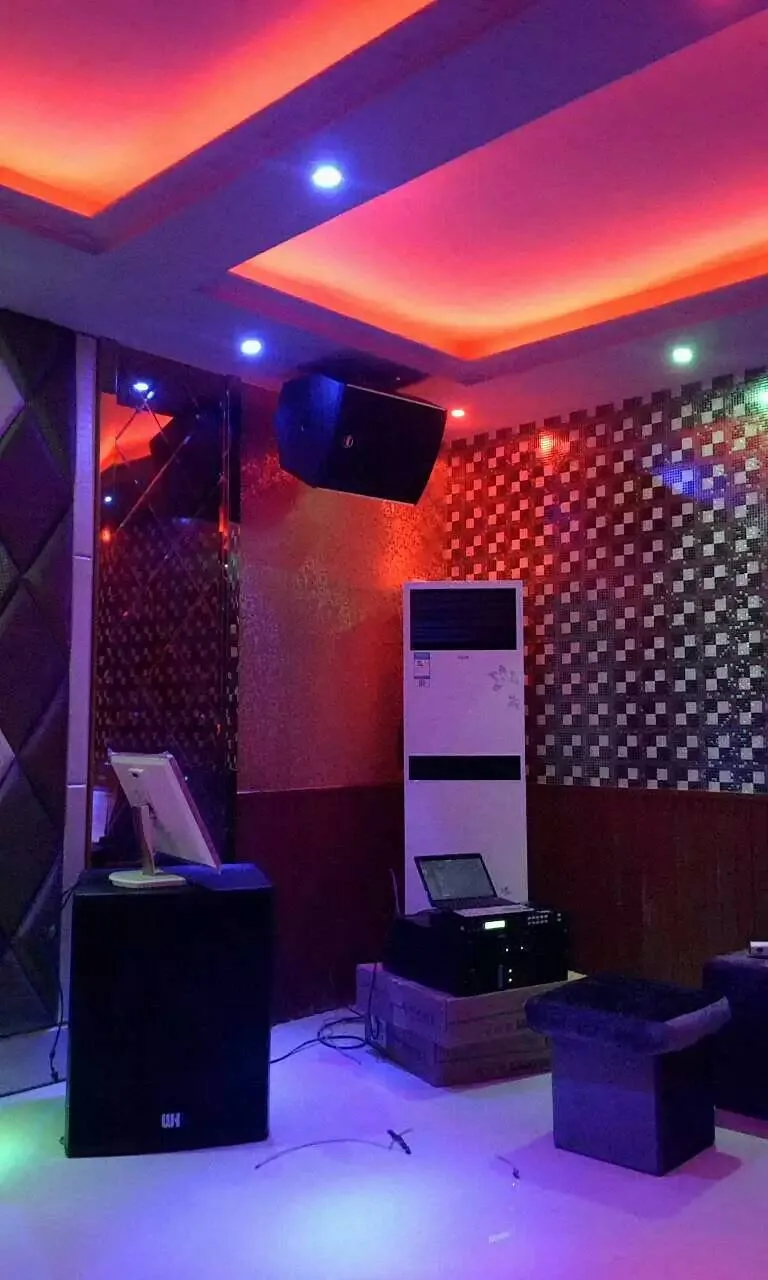
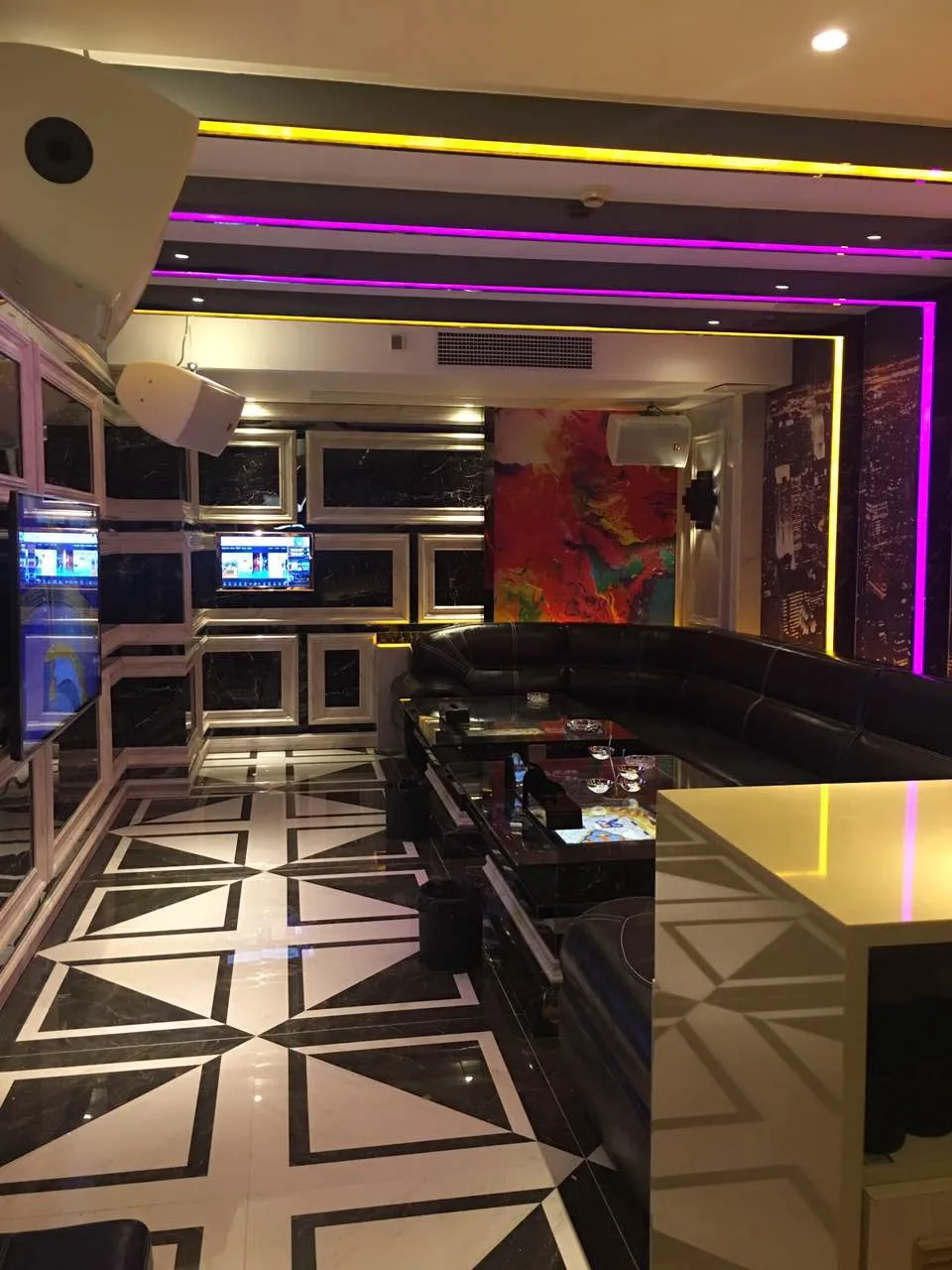
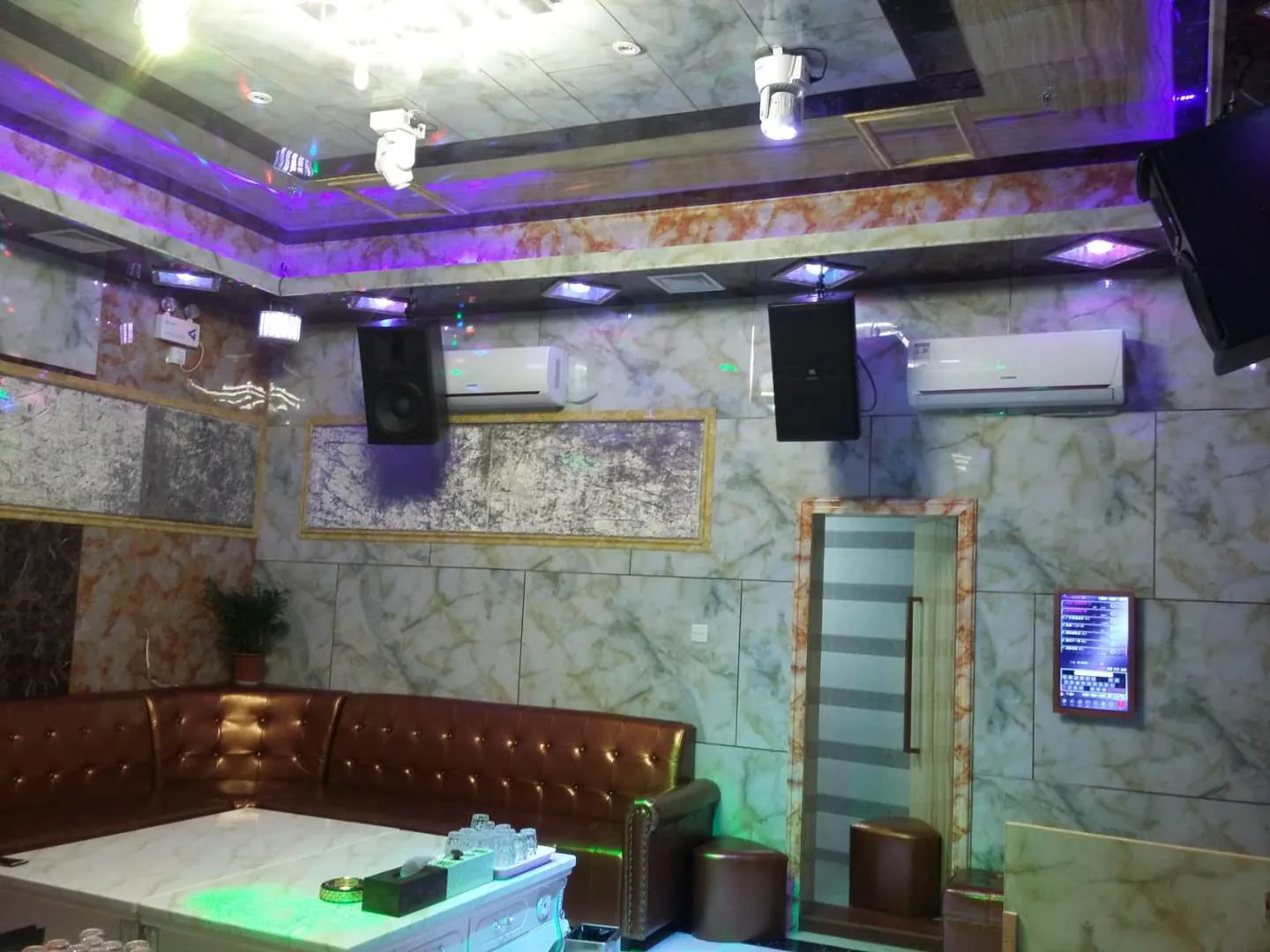
KTV private room with LED ceiling lighting and acoustic wall treatment
KTV room – LED ceiling and acoustic wall treatment
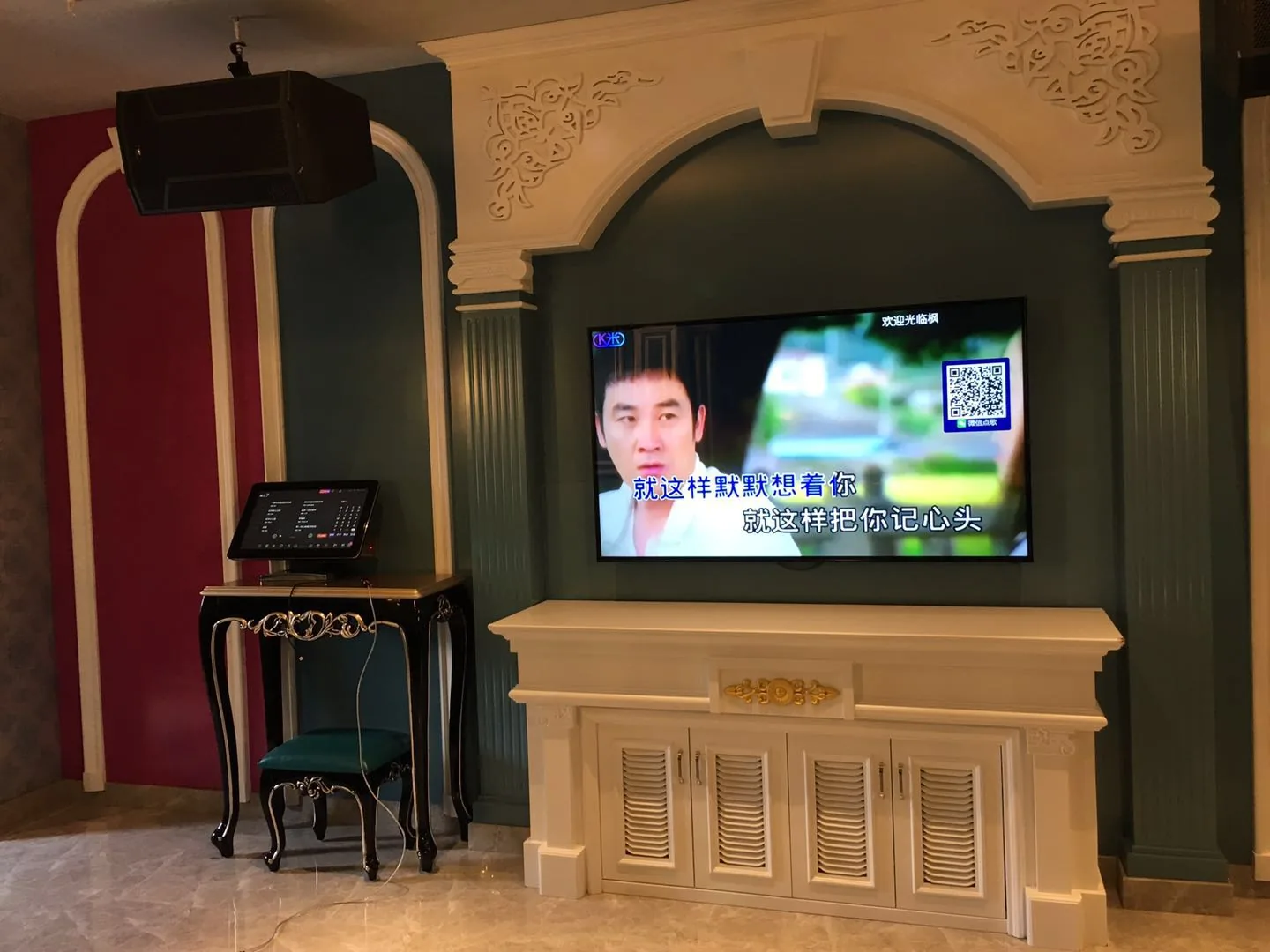
Karaoke room with display screen and two wall-mounted loudspeakers
Karaoke room – screen and loudspeakers
KTV room with wall-mounted screens, mirrored ceiling and seating area
KTV room – wall screens and seating
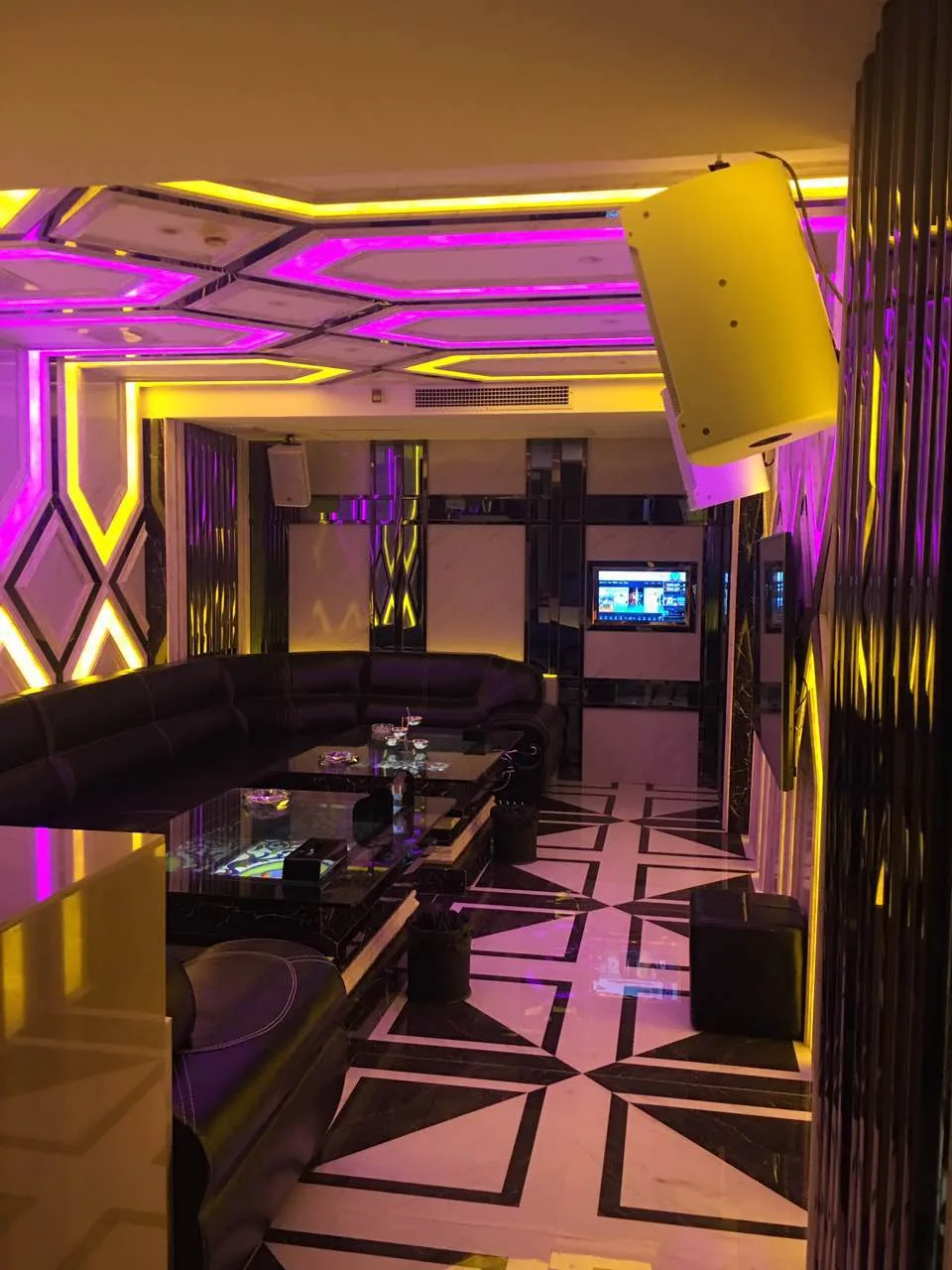
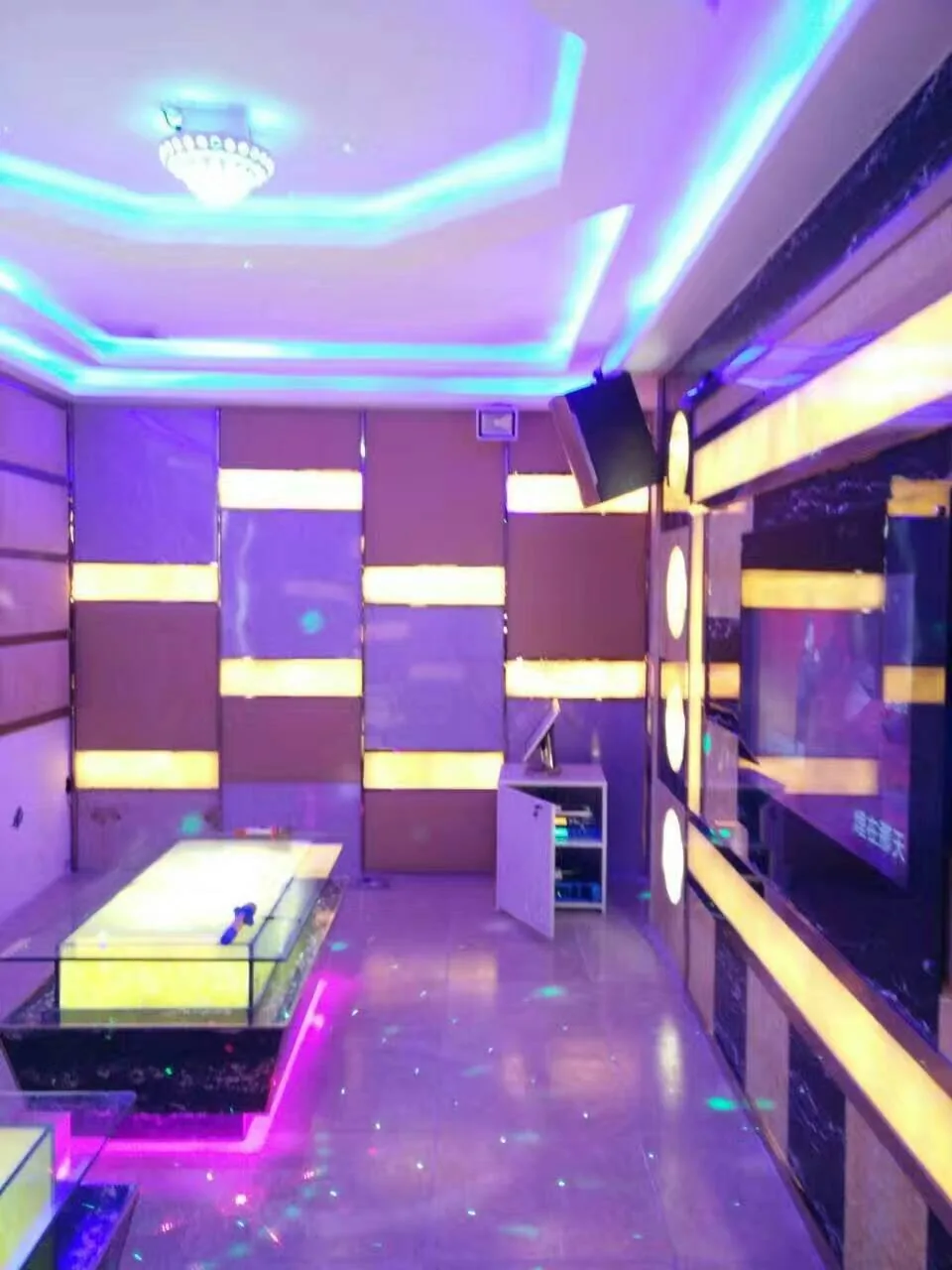
KTV room with perimeter LED lighting and floor subwoofer
KTV room with perimeter LED and subwoofer
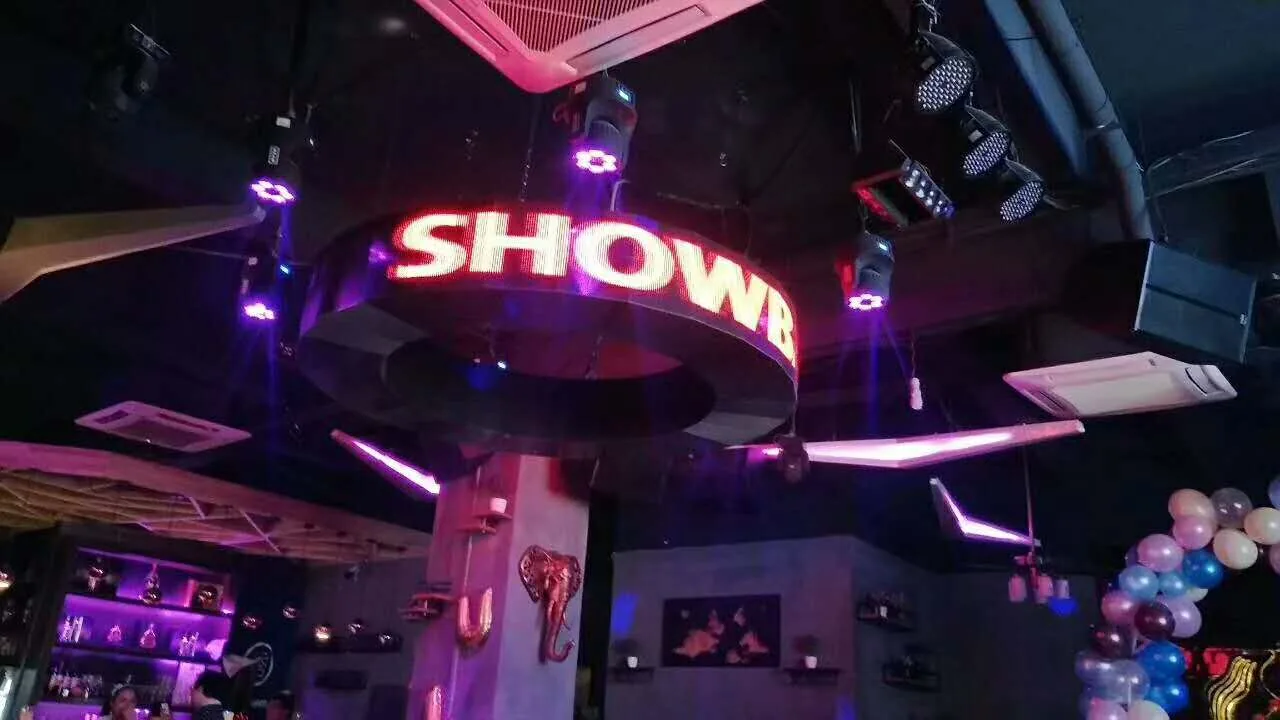
Nightclub entrance with SHOW signage, truss lighting and PA system
Club entrance sound and lighting
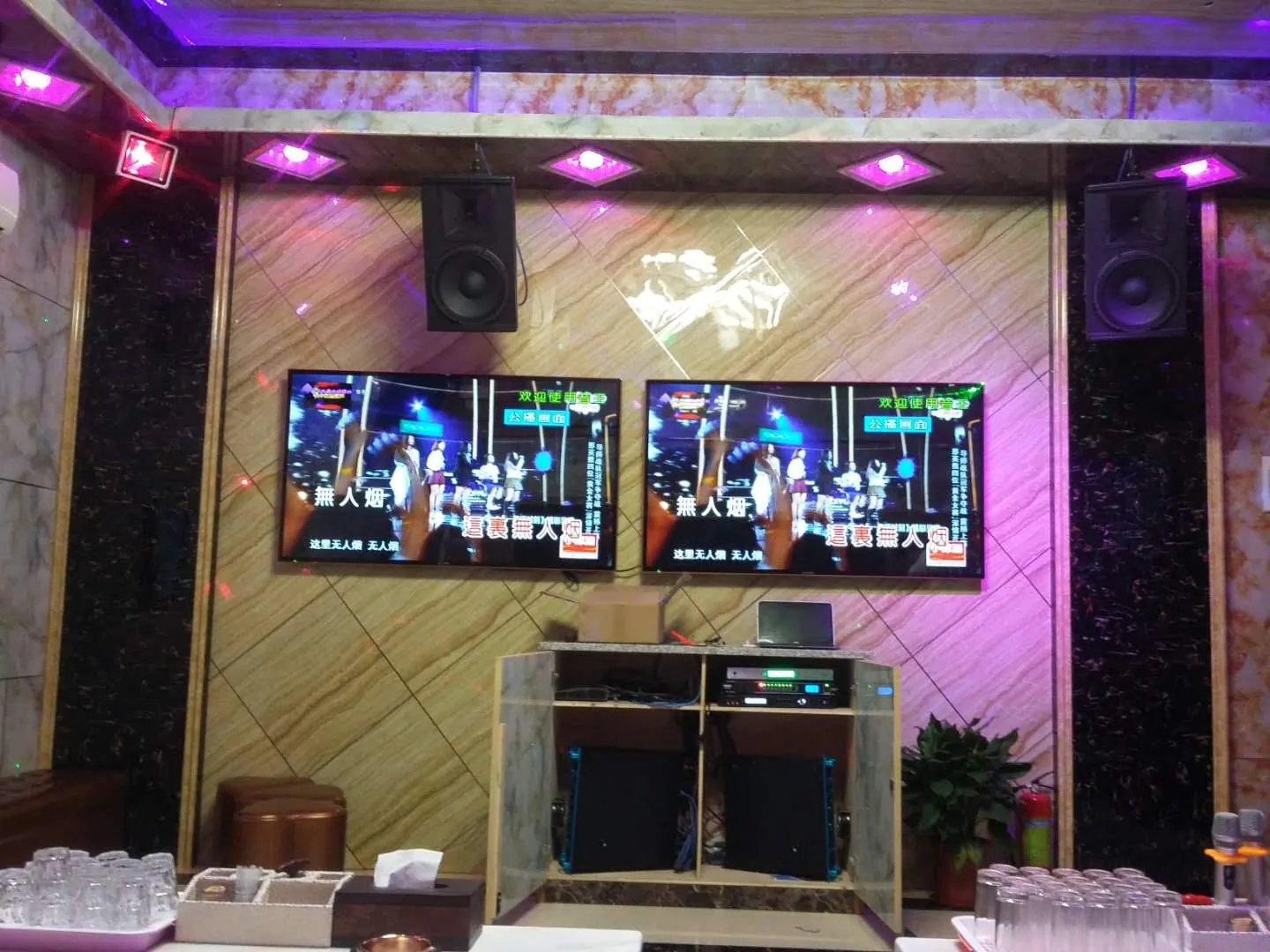
KTV room with dual display screens and 5.1 surround sound system
KTV room – dual screens and 5.1 system
Lounge and bar area with zoned audio and wall-mounted loudspeakers
Lounge and bar area – zoned audio
KTV room with purple LED wall lighting and wall-mounted speakers
KTV room – purple LED scheme
KTV room with colour LED lighting and ceiling speaker installation
KTV room – colour-tuned lighting and audio

Cinema and theatre

Rooms where the amplifier rack sits close to the audience, so fan noise and channel count decide the design.
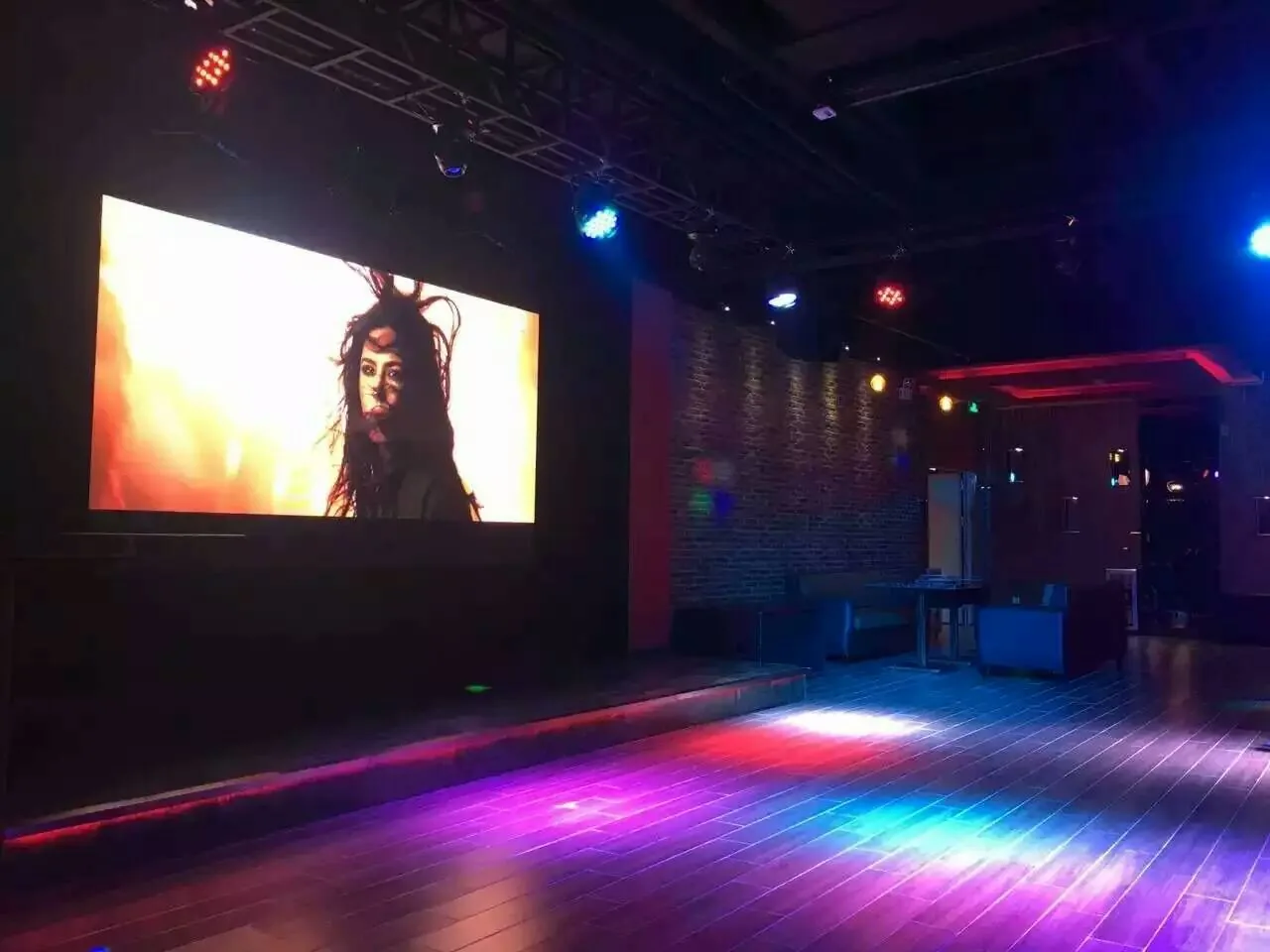
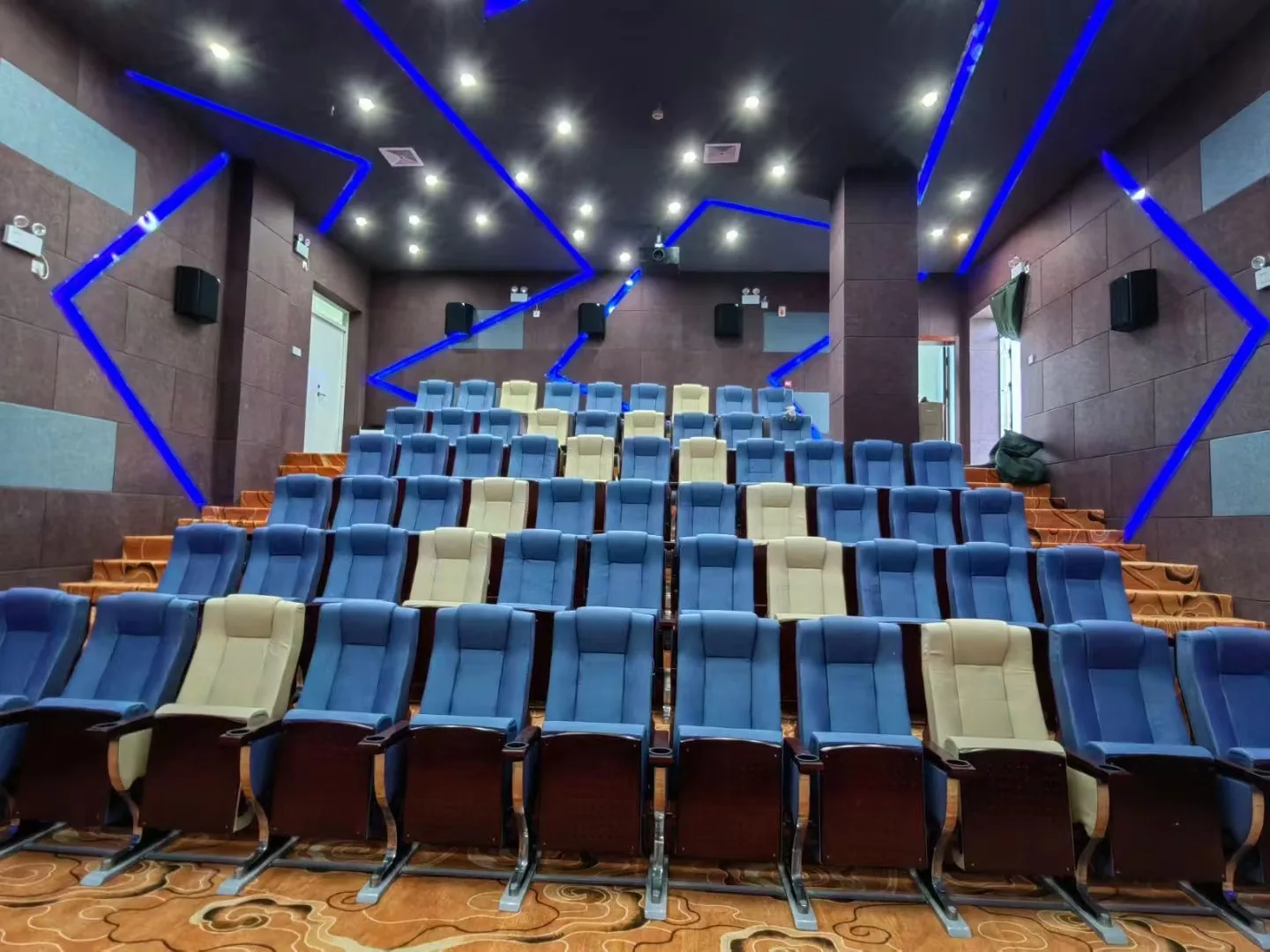
Cinema room with projection screen, LED stage lighting and surround loudspeakers
Cinema – screen, LED stage wash, surround
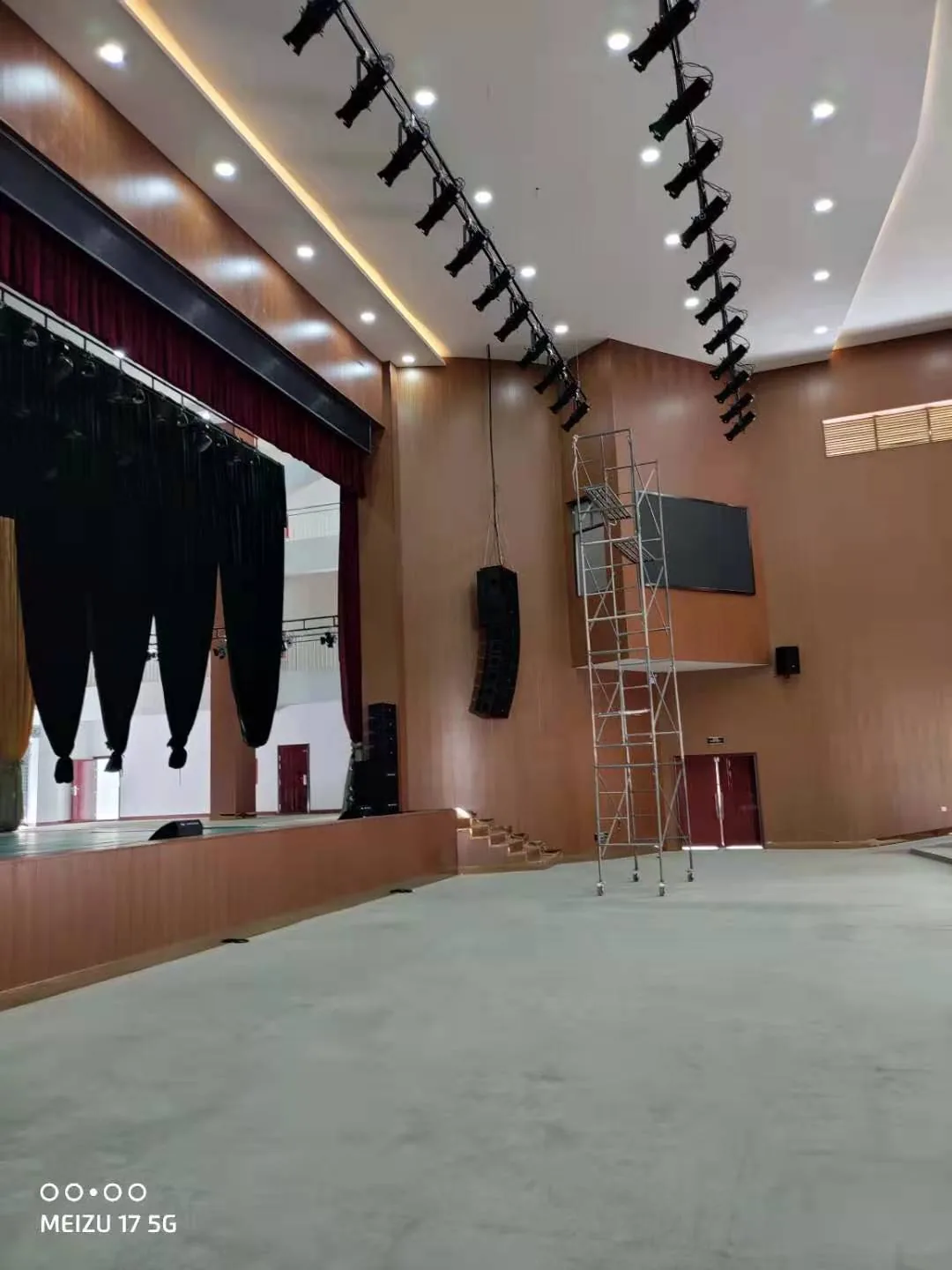
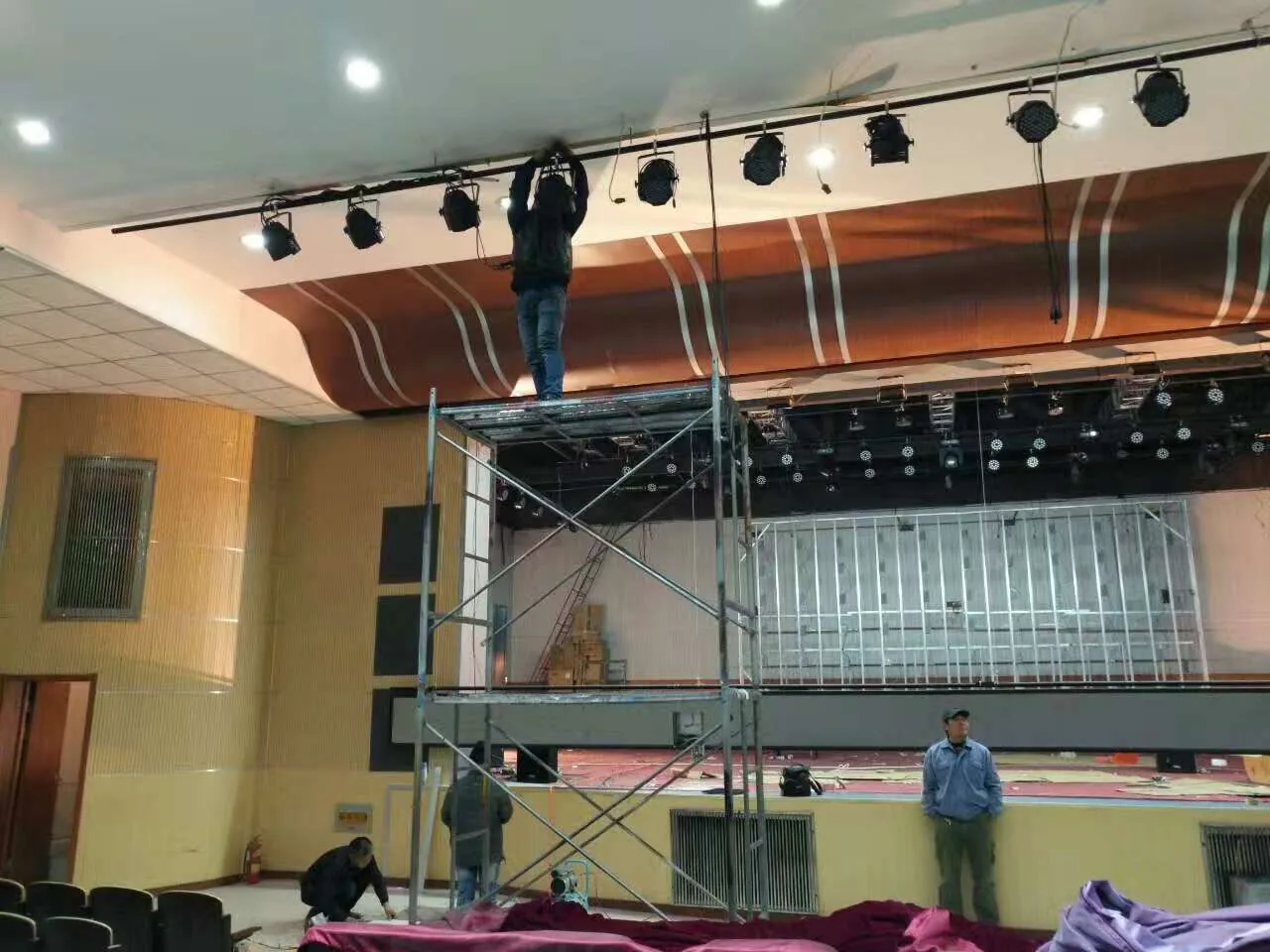
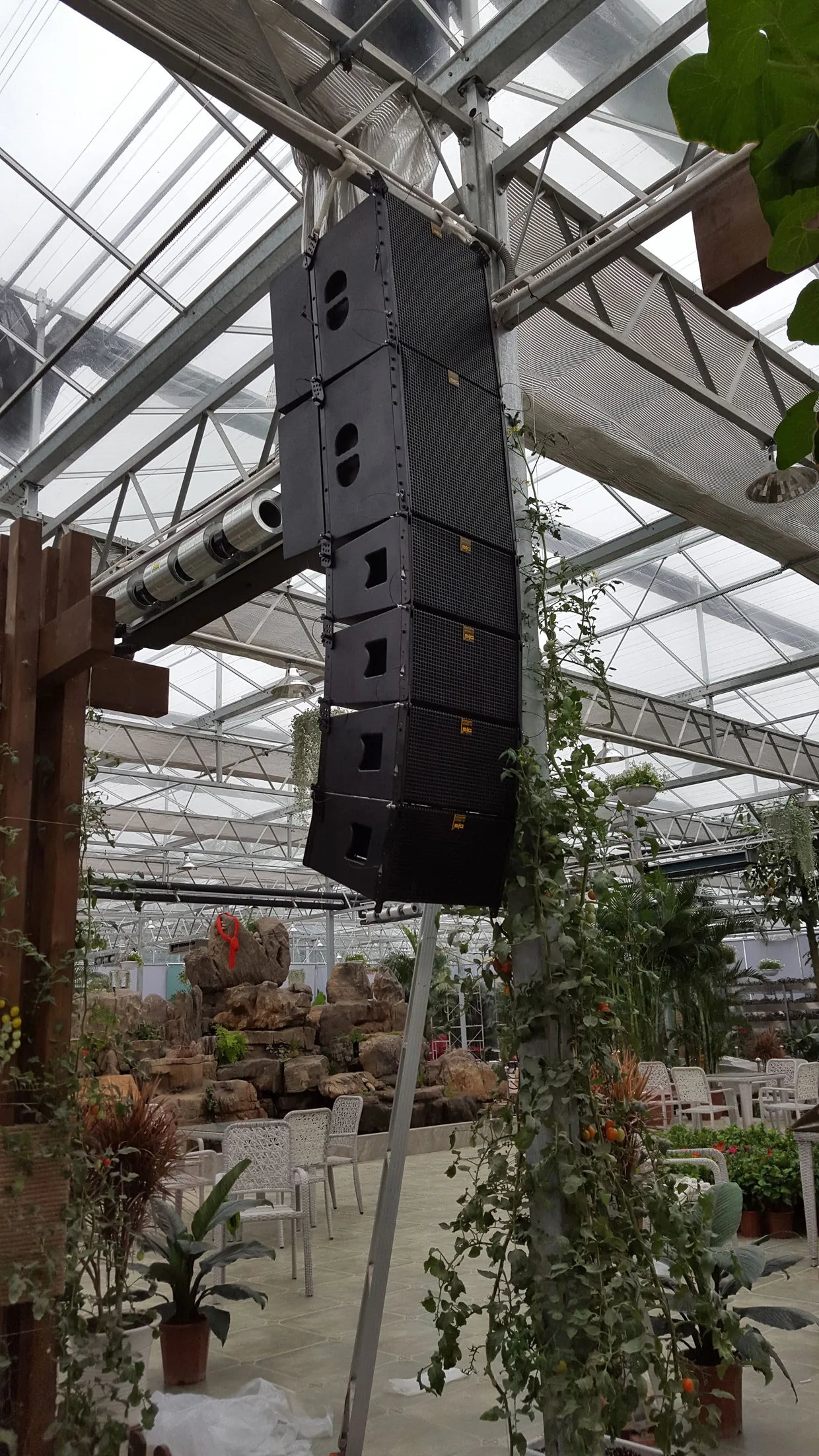
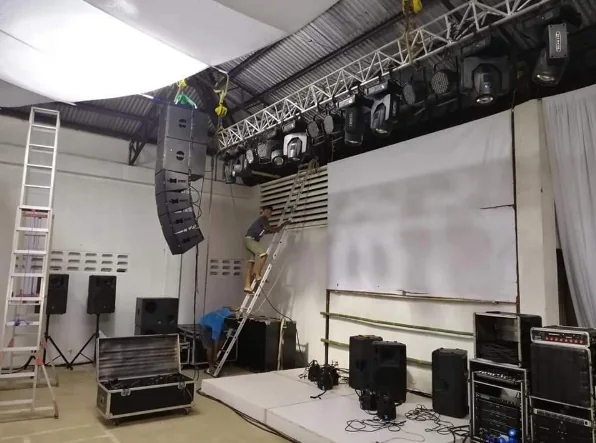
Event hall during rigging with suspended line array, lighting truss and monitor stacks
Event hall – line array hang and lighting truss
Theatre foyer with ornate columns, red carpet and distributed ceiling loudspeakers
Theatre foyer – distributed ceiling audio
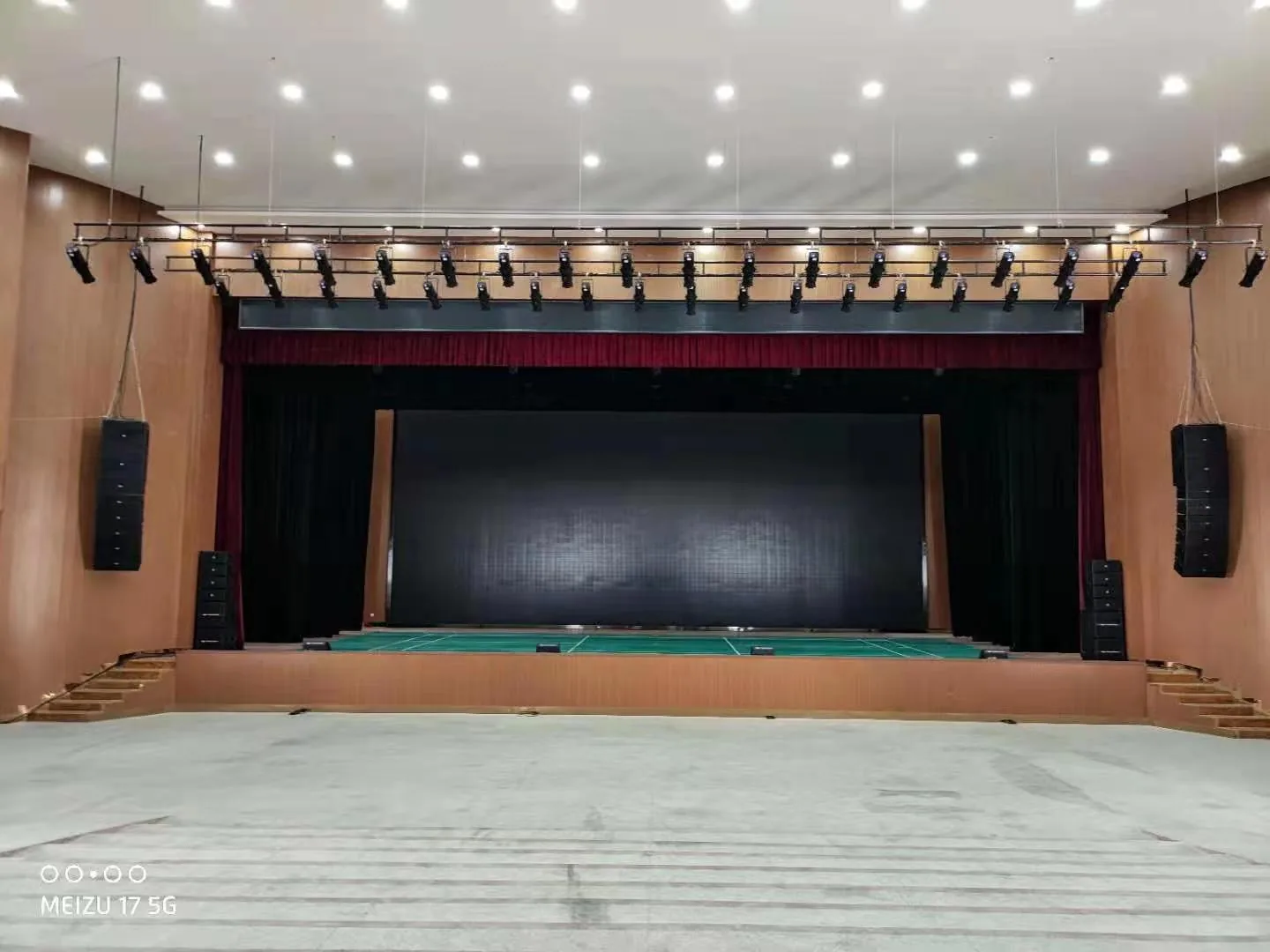
Theatre stage with proscenium arch, front fill speakers and stage lighting
Theatre stage – proscenium and front fill
Performance stage with side fill loudspeakers and stage monitor positions
Stage – side fills and monitor positions

Conference, banquet and education

Fixed installs with long duty cycles at moderate level – the case for low fan noise and stable gain structure.
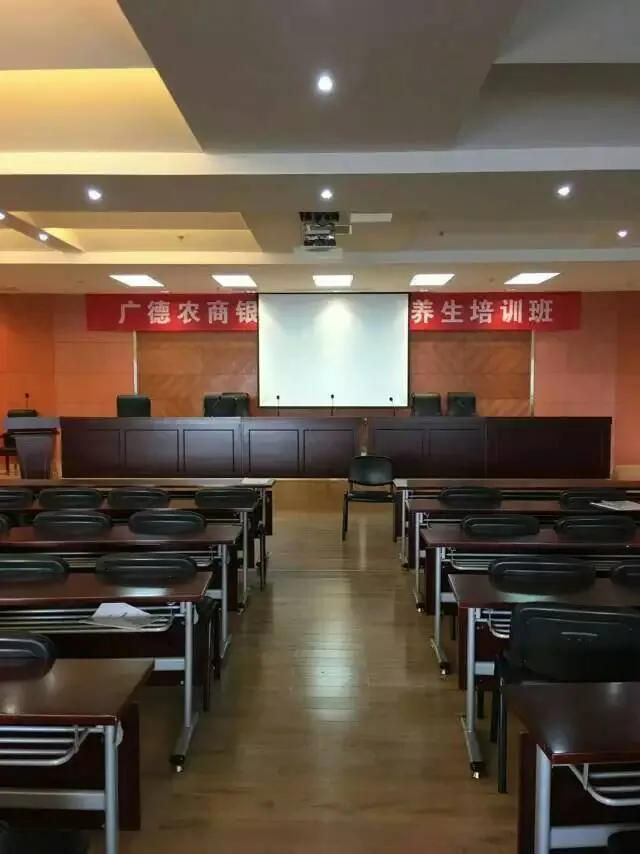
University lecture theatre with speech reinforcement speakers and amplifier rack
Lecture theatre – speech reinforcement
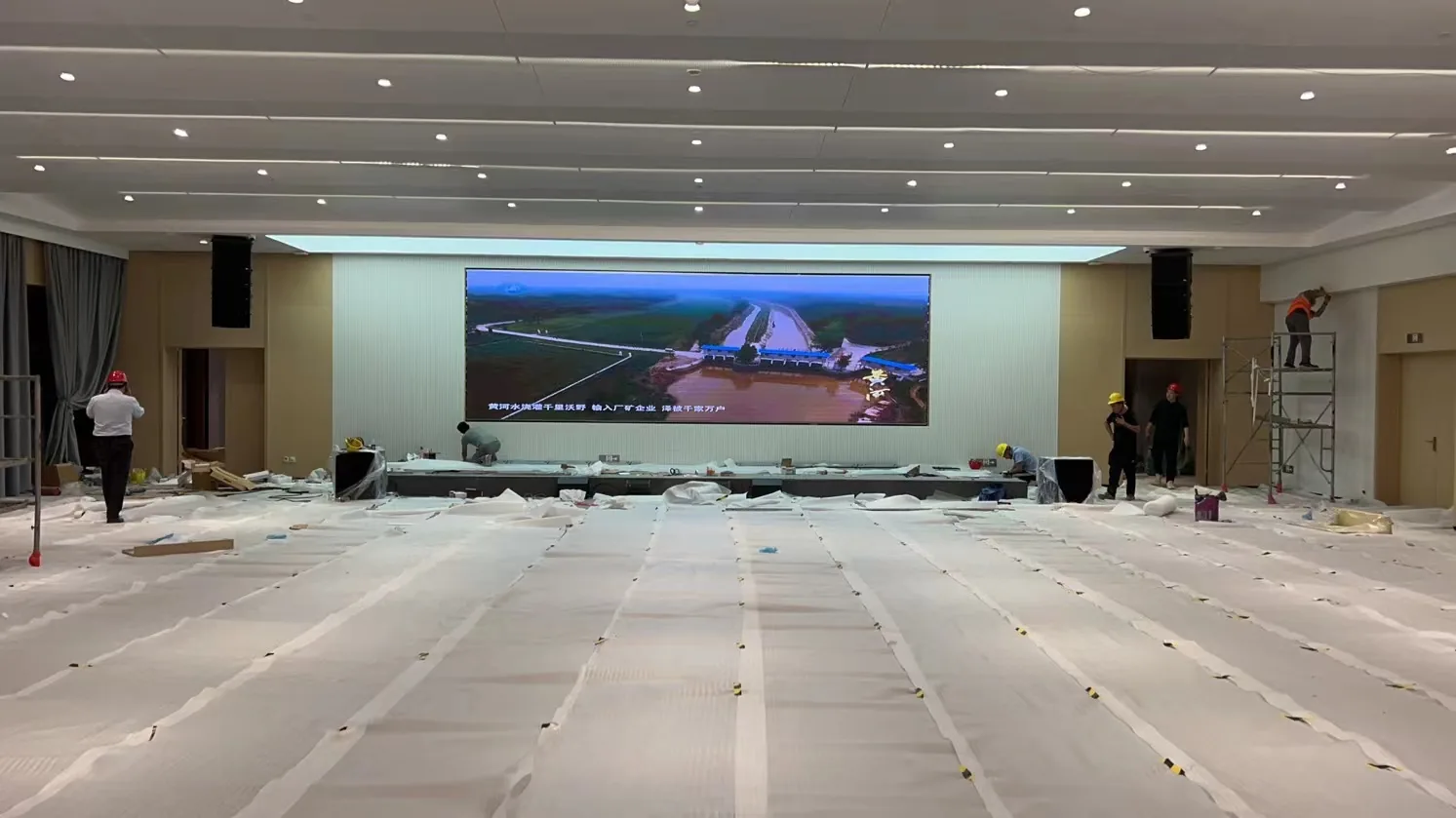
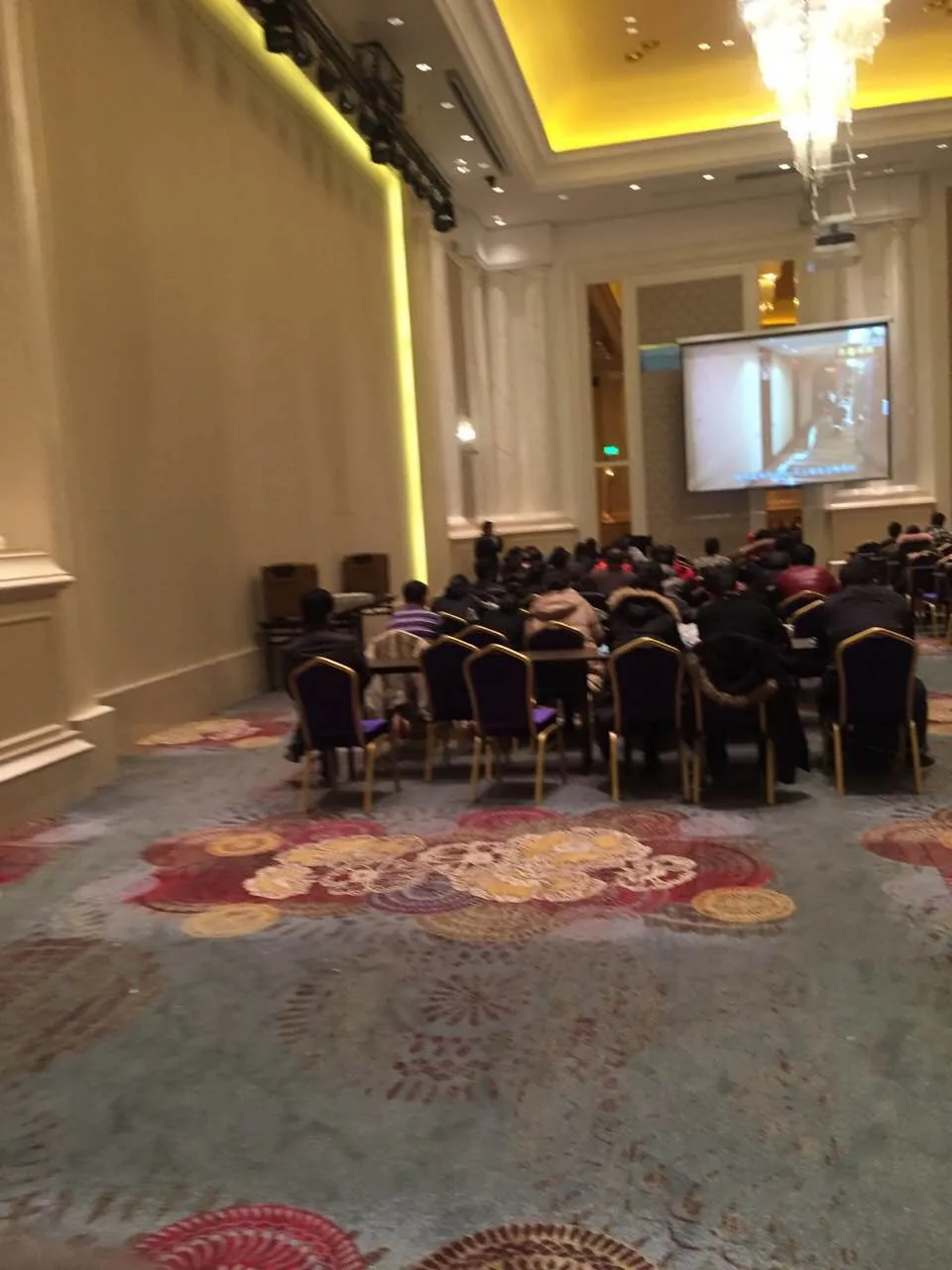
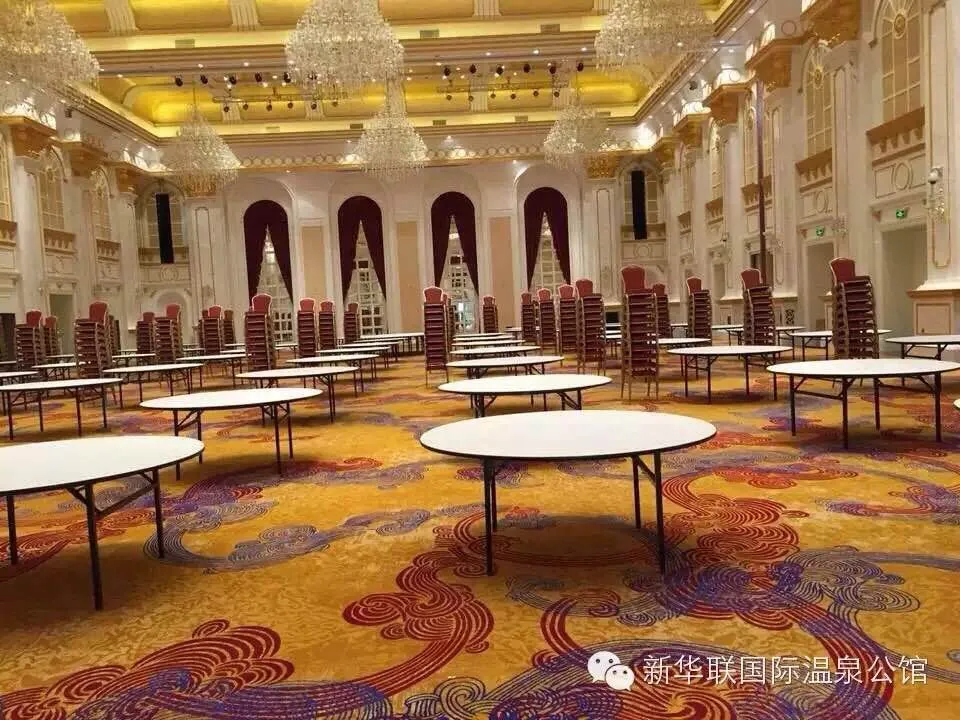
Hotel banquet hall with distributed ceiling loudspeakers and stage
Banquet hall – distributed ceiling audio
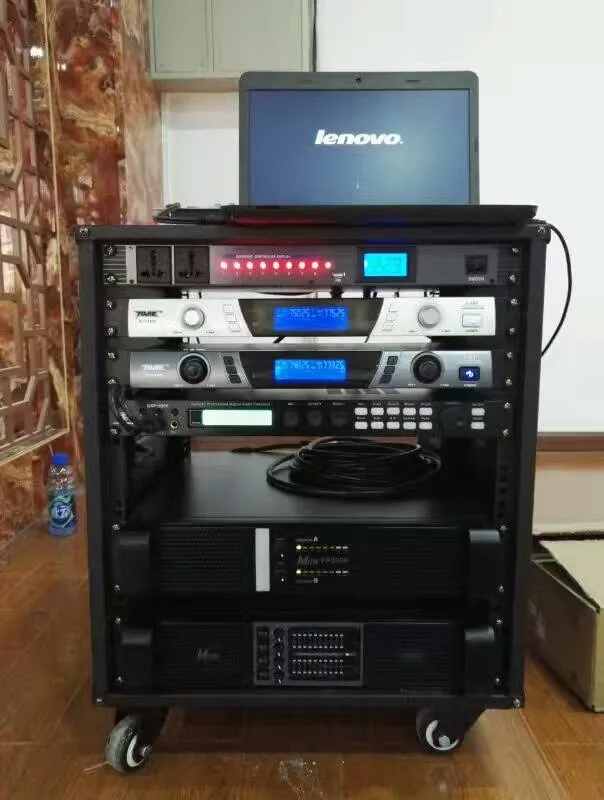
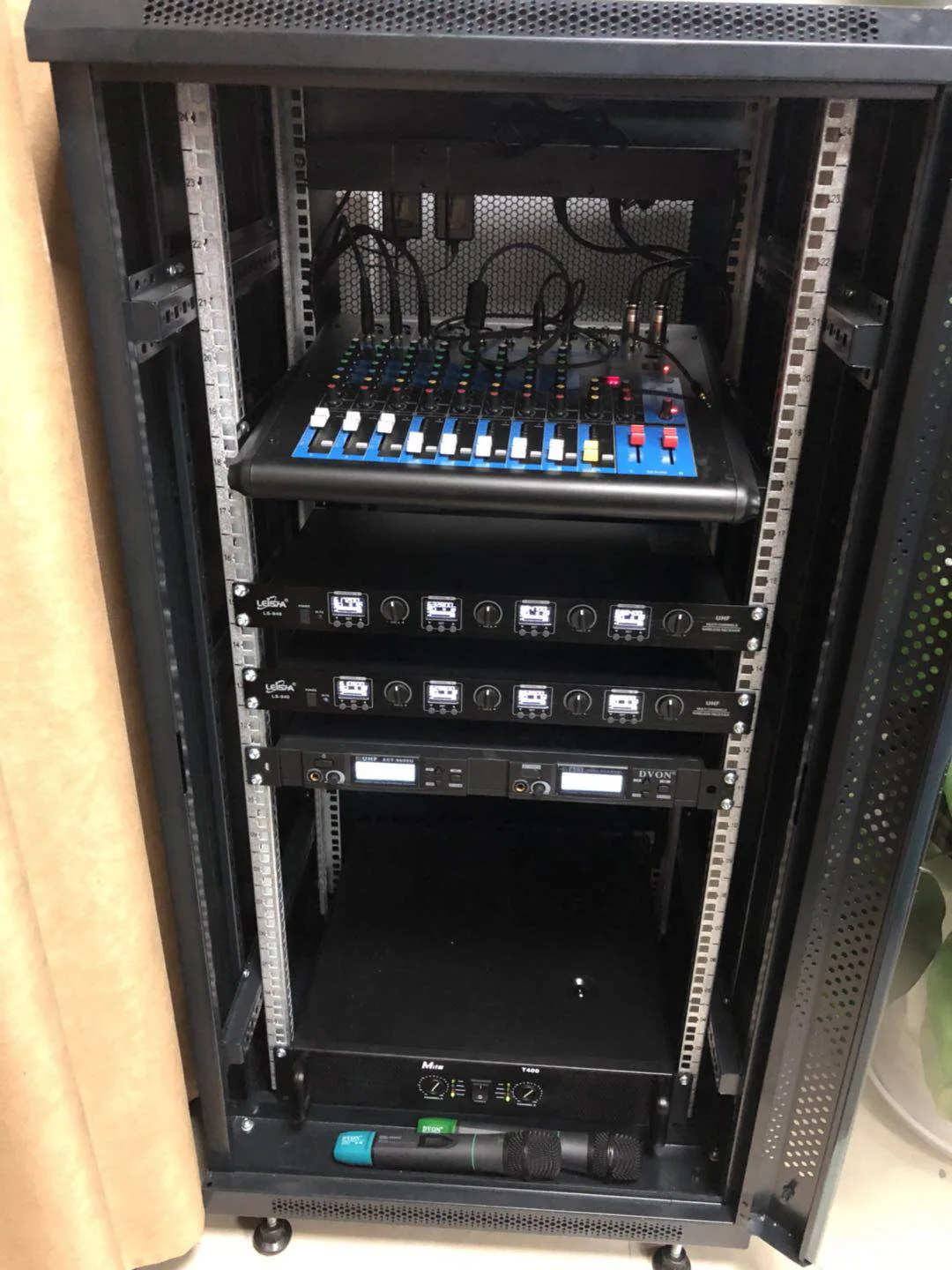
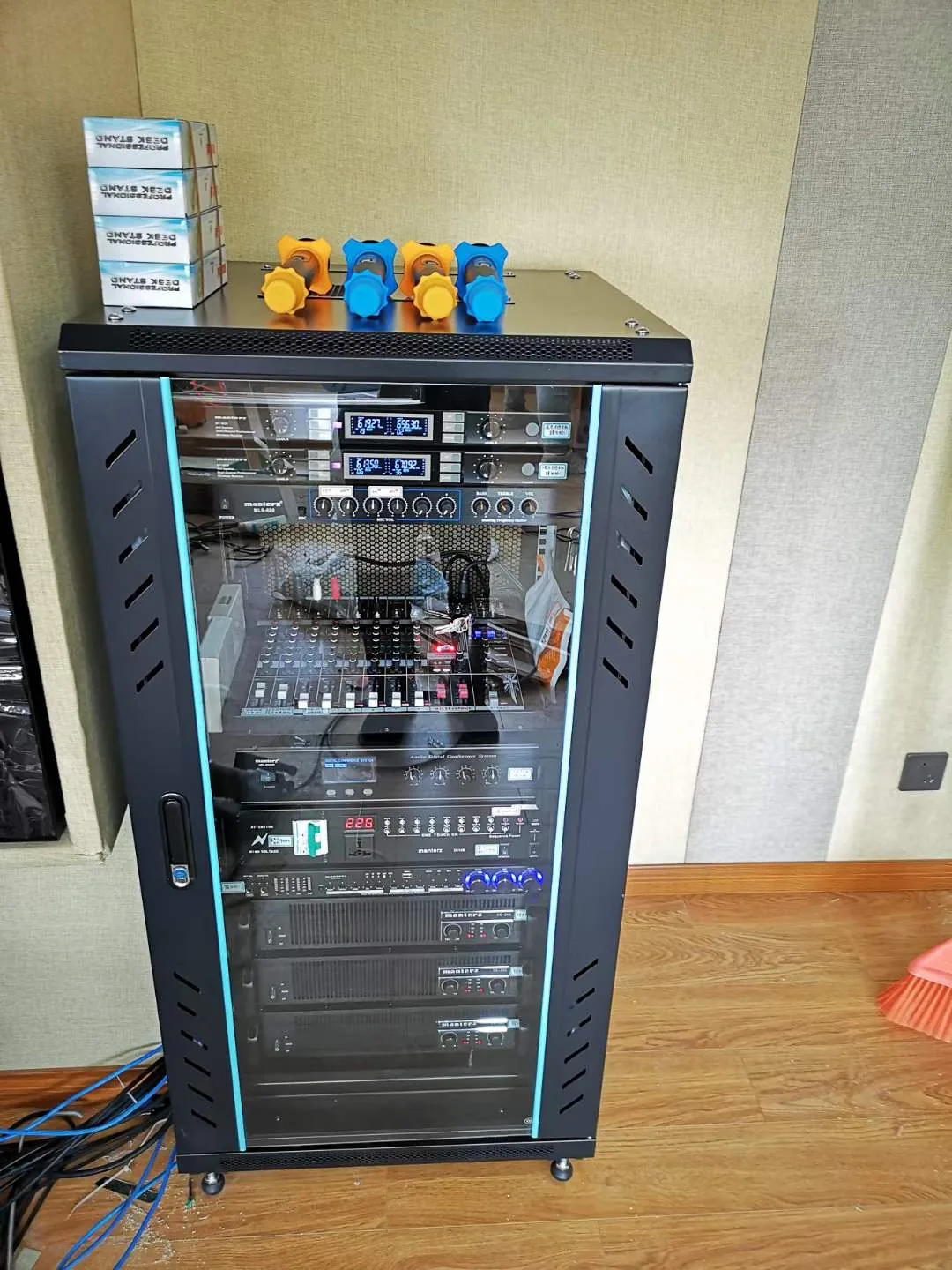
Rolling AV rack with wireless microphone receiver, signal processor and two power amplifiers
Mobile AV rack – microphones, processing and amplifiers
Boardroom with conference audio system and long conference table
Boardroom – conference audio
Multi-purpose hall with wide-area loudspeaker coverage
Multi-purpose hall – large space coverage
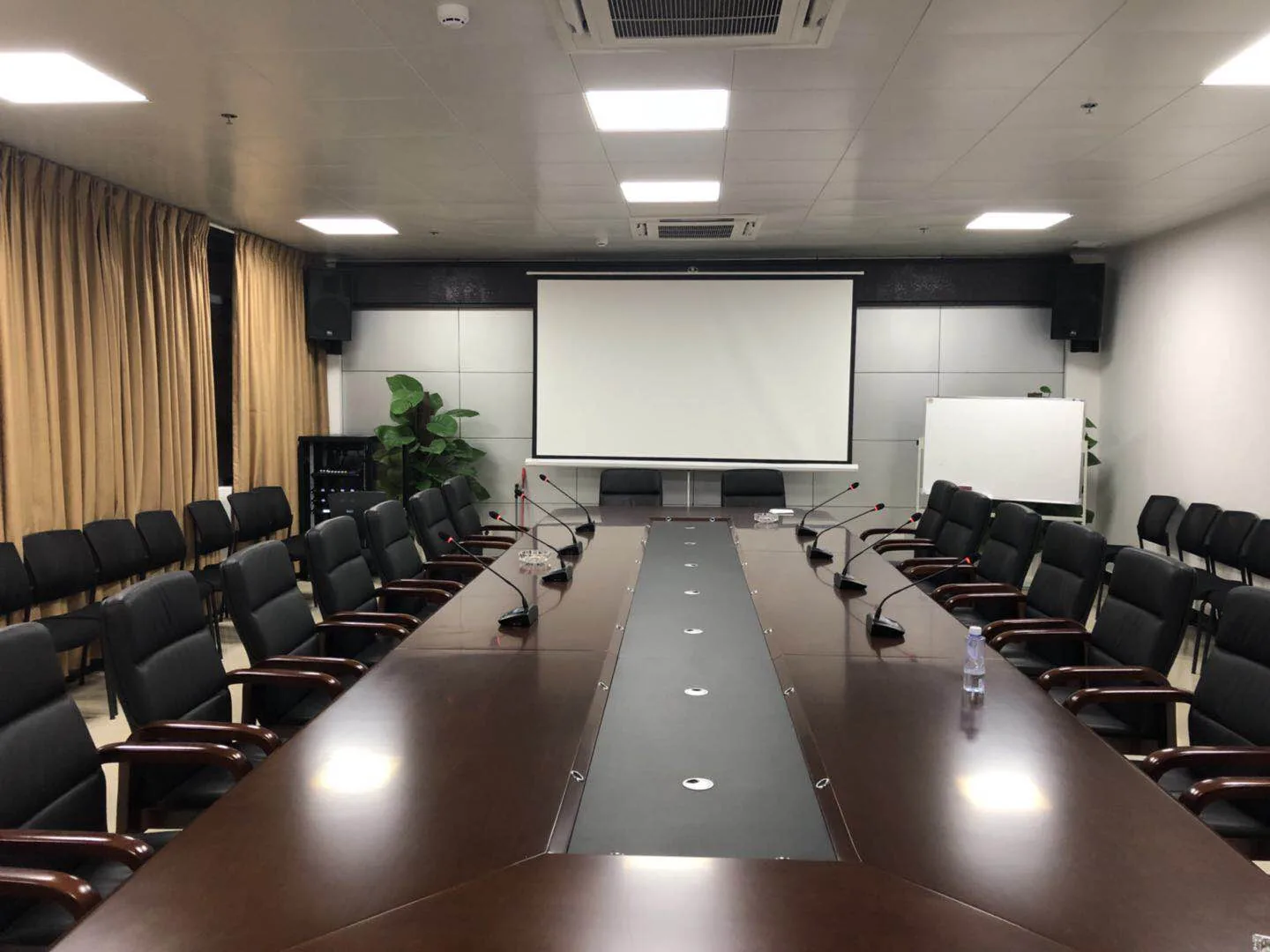
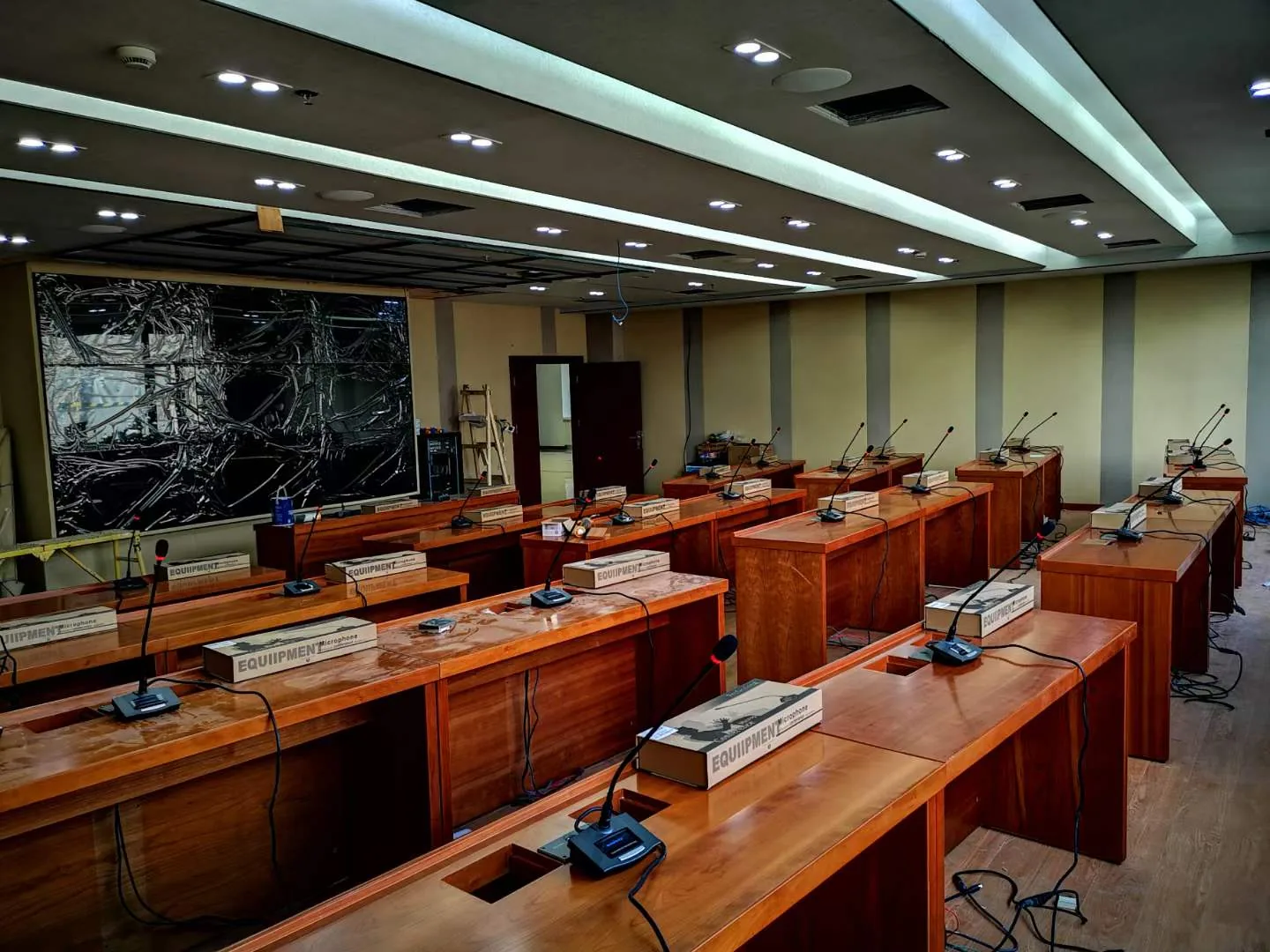
Conference room with delegate microphones and ceiling speaker coverage
Conference room – delegate audio
Banquet hall set for a wedding event with distributed audio system
Banquet hall – wedding and event audio
Meeting room with blue feature wall, display screen and ceiling speakers
Meeting room – blue feature wall and audio
Tiered lecture hall with row-by-row loudspeaker coverage
Tiered lecture hall – 200 seat audio

Live and outdoor

Touring and event work where the amplifier has to hold full output for hours and survive whatever the site throws at it.
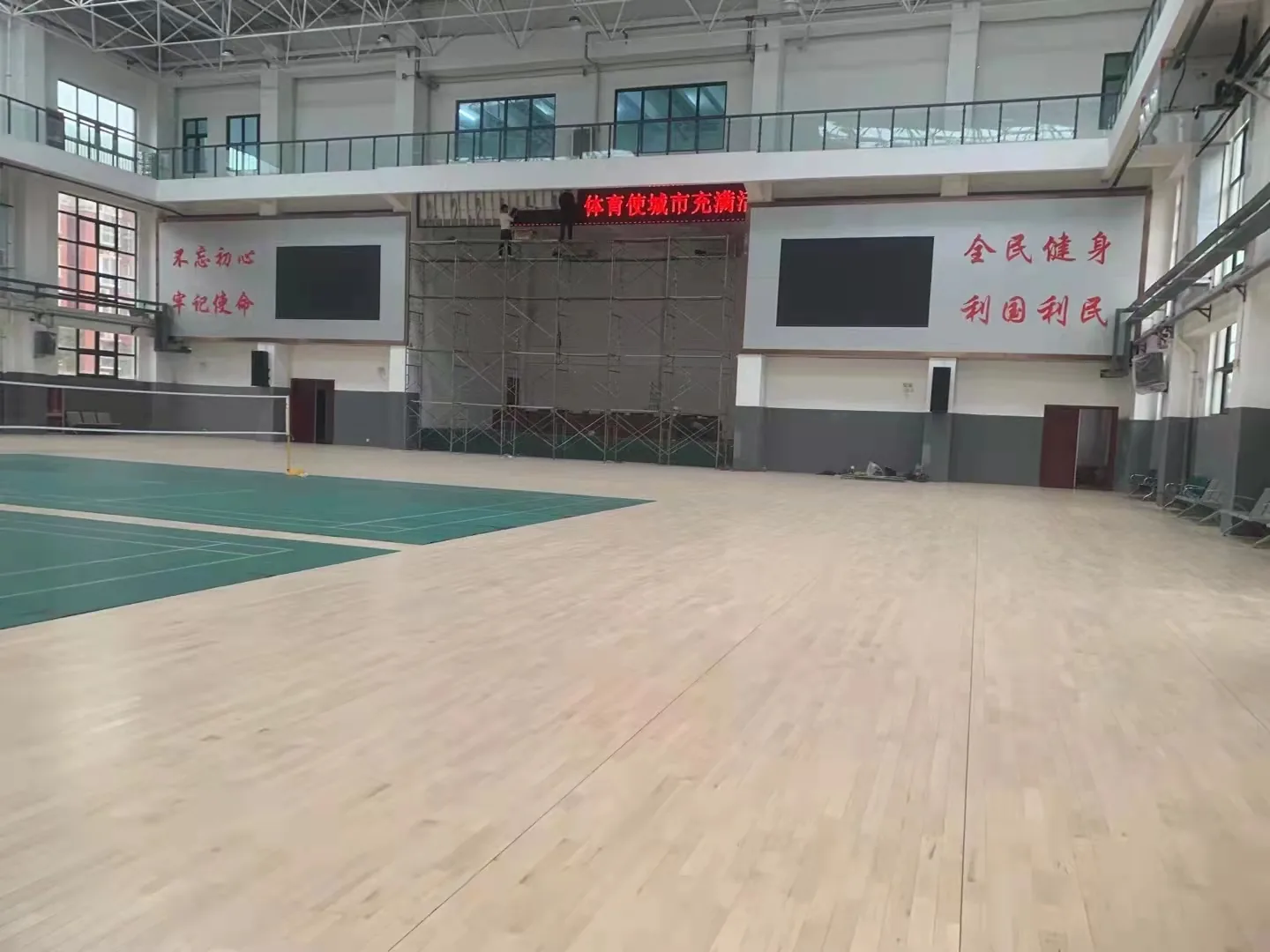
Indoor sports hall with wall-mounted loudspeakers and LED scoreboards
Sports hall – wall-mounted PA and LED screens
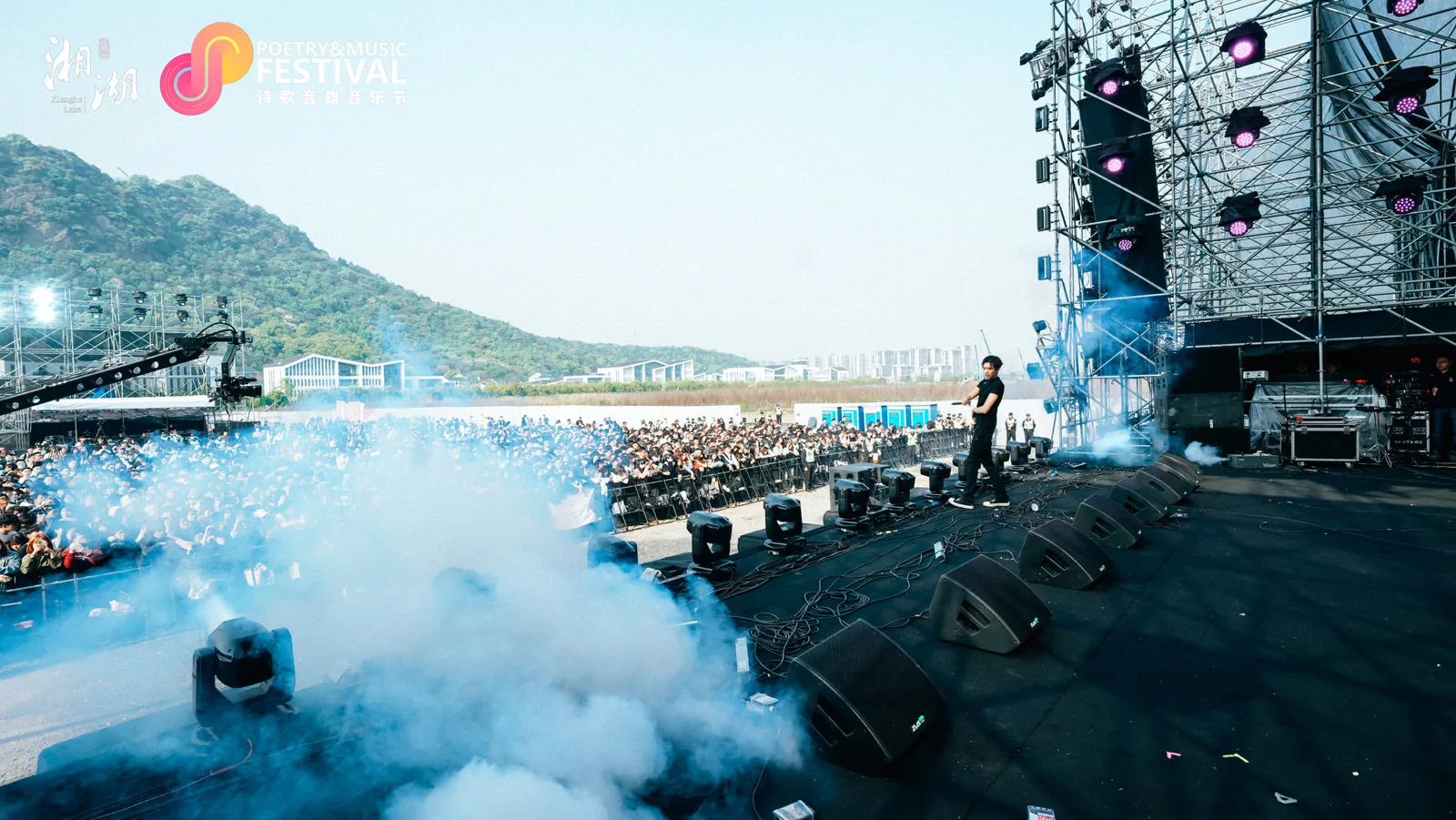
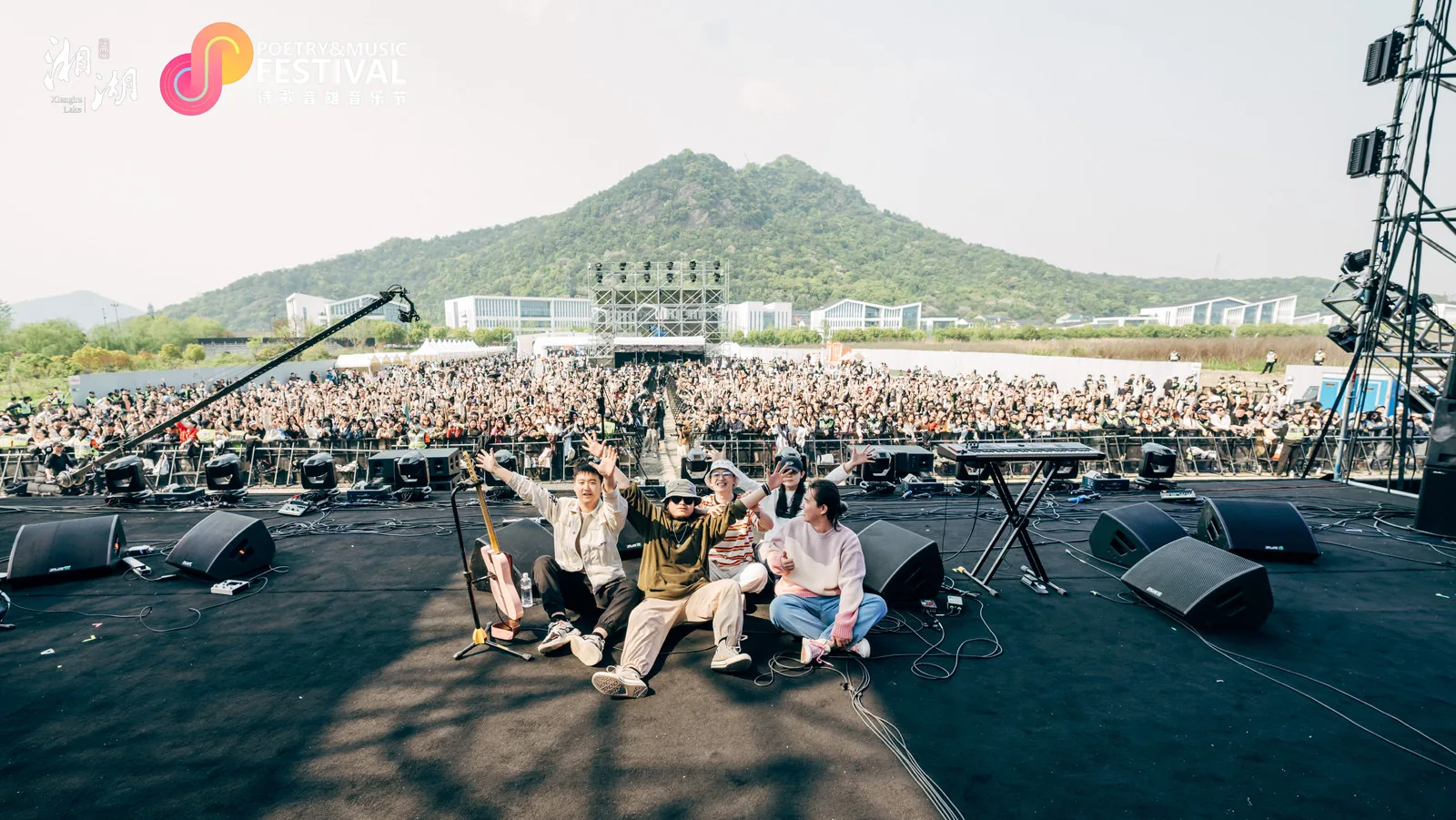
Outdoor event stage with line array system and mountain backdrop
Outdoor stage – mountain backdrop event
Outdoor festival site with stage, line array and audience coverage
Festival site – crowd coverage
Event hall with truss-mounted lighting rig and PA system
Event hall – truss lighting and PA
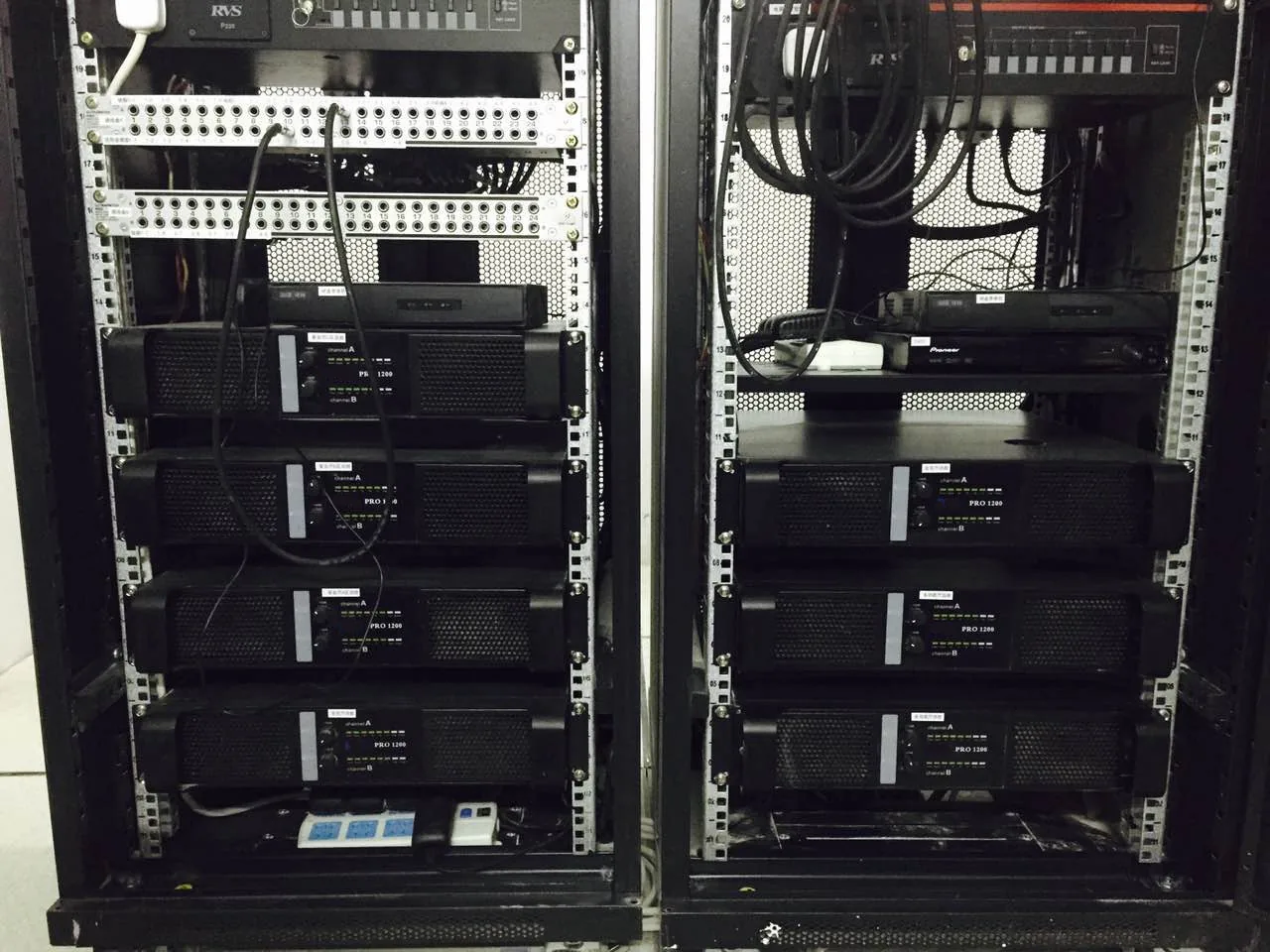
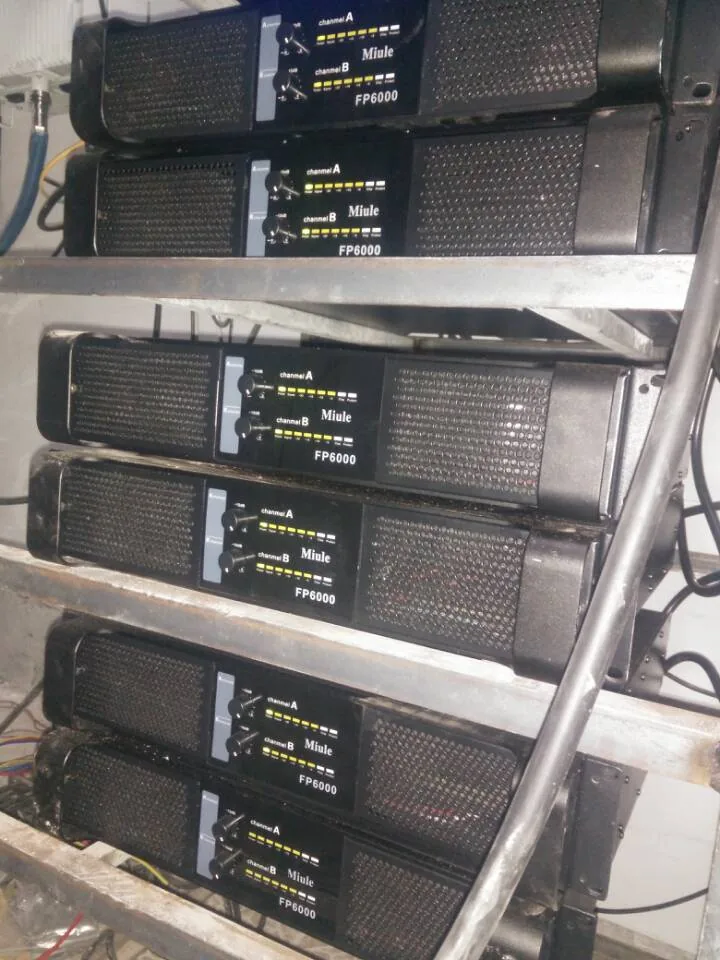
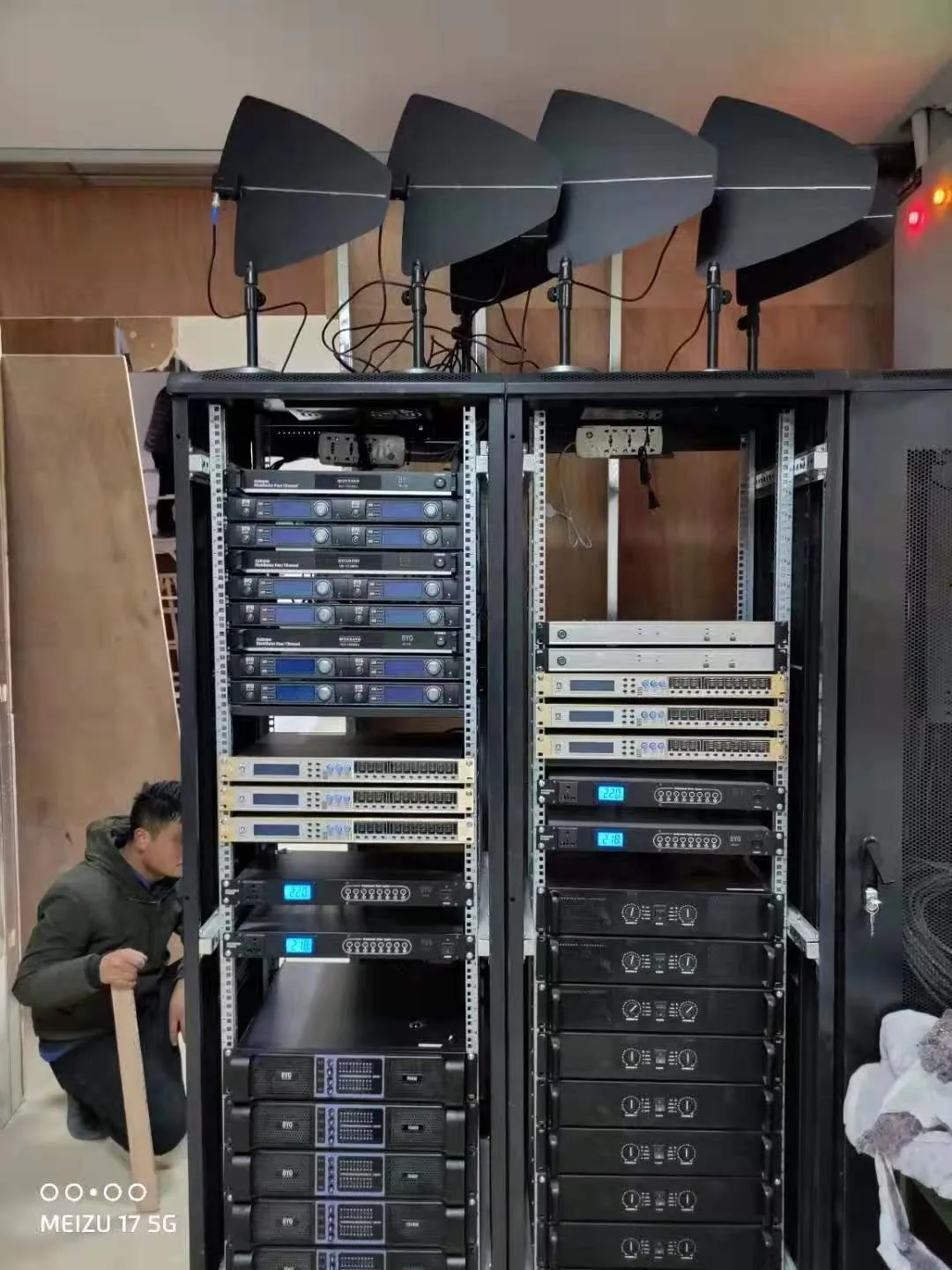
Twin amplifier racks stacked with power amplifiers at a live venue
Rack pair – amplifier stacks at a live venue
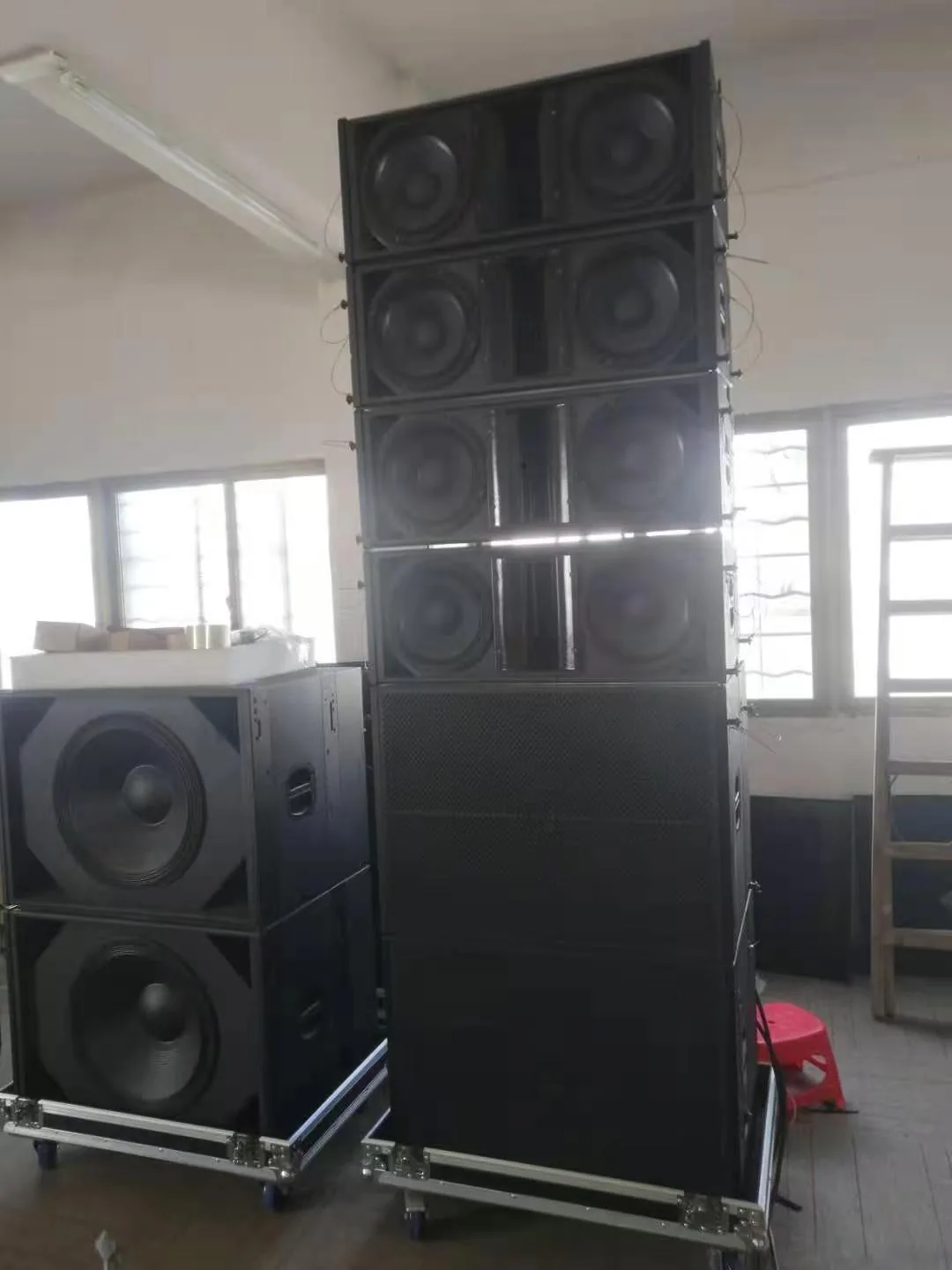
Ground-supported subwoofer stack for live sound reinforcement
Subwoofer stack – ground support
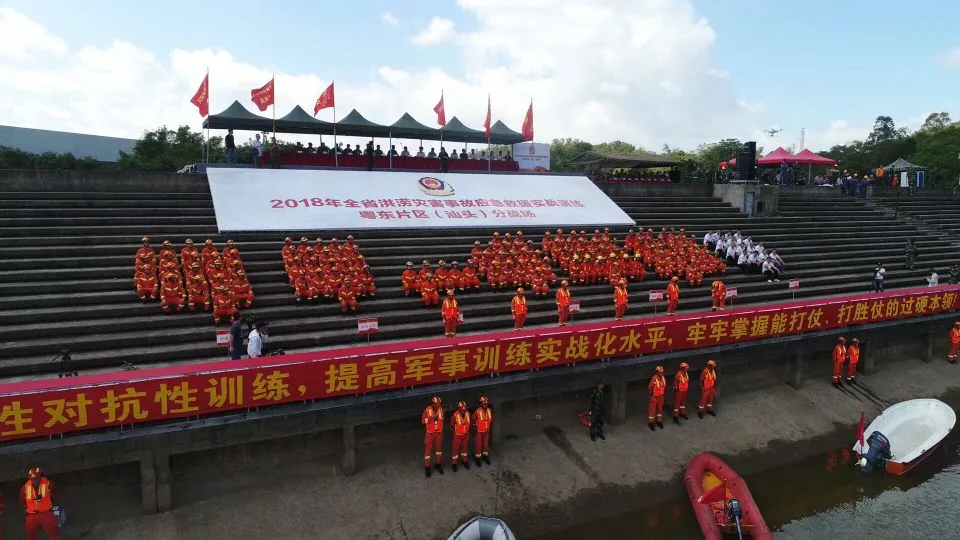
Outdoor venue with long-throw loudspeaker system and red facade
Outdoor venue – long-throw system
Outdoor covered walkway with suspended line array loudspeakers
Outdoor line array – covered walkway

Racks, commissioning and detail

The part buyers actually want to see: how the amplifiers are racked, wired and labelled in a finished room.
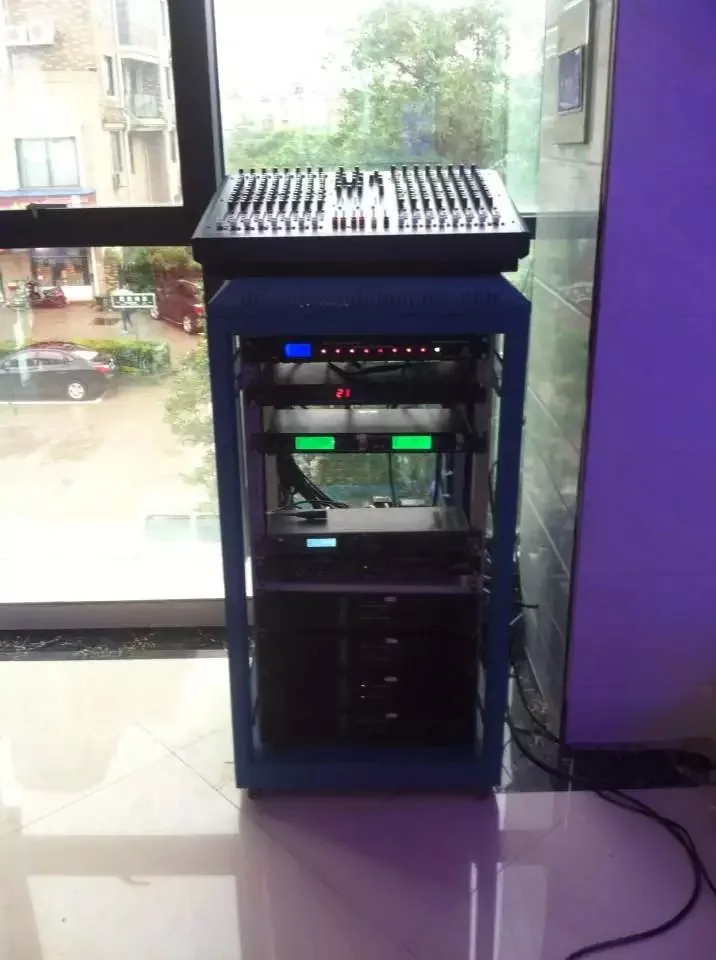
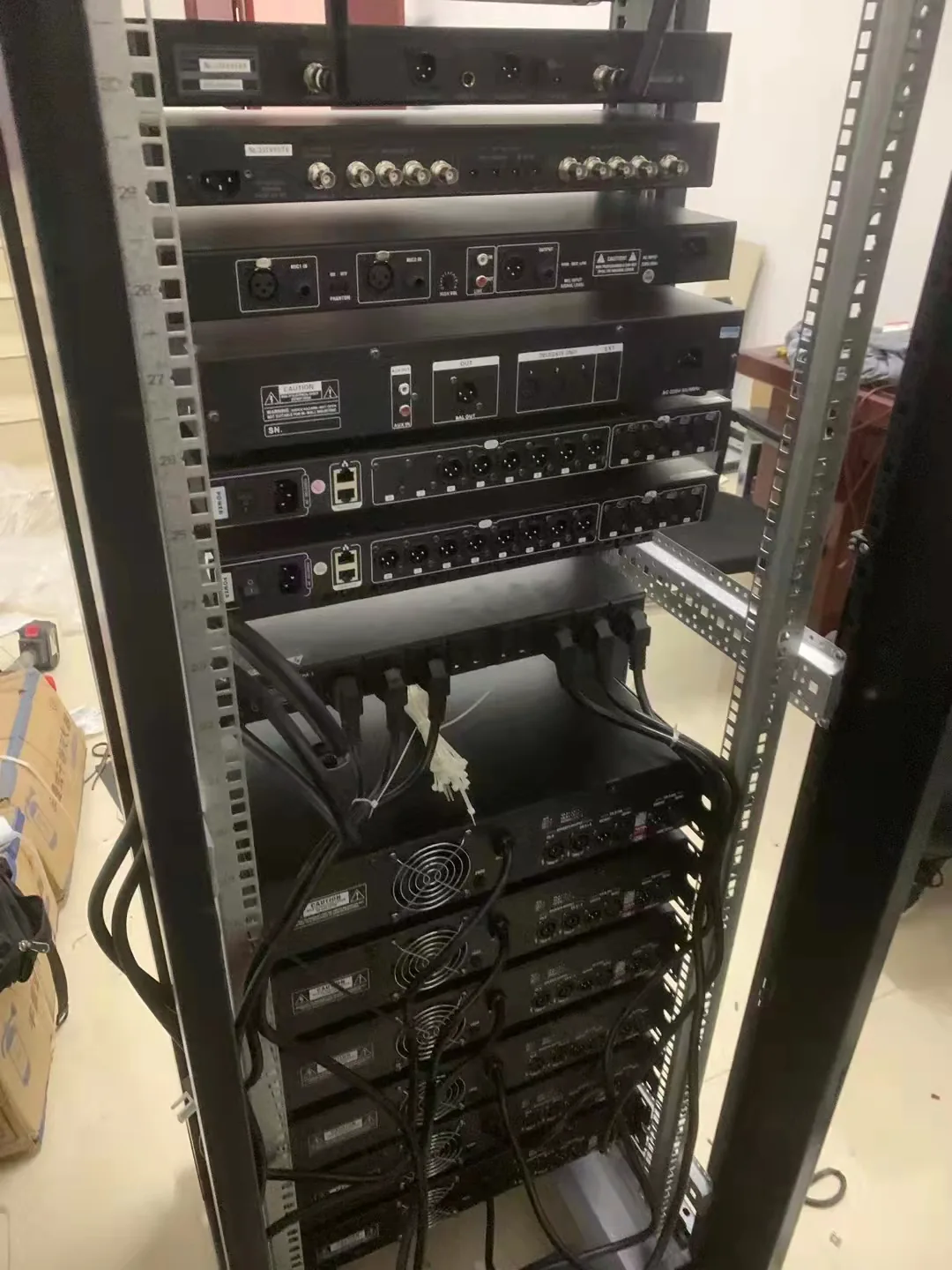
Amplifier rack in a glazed control room with commissioning in progress
Control room rack – glazed partition install
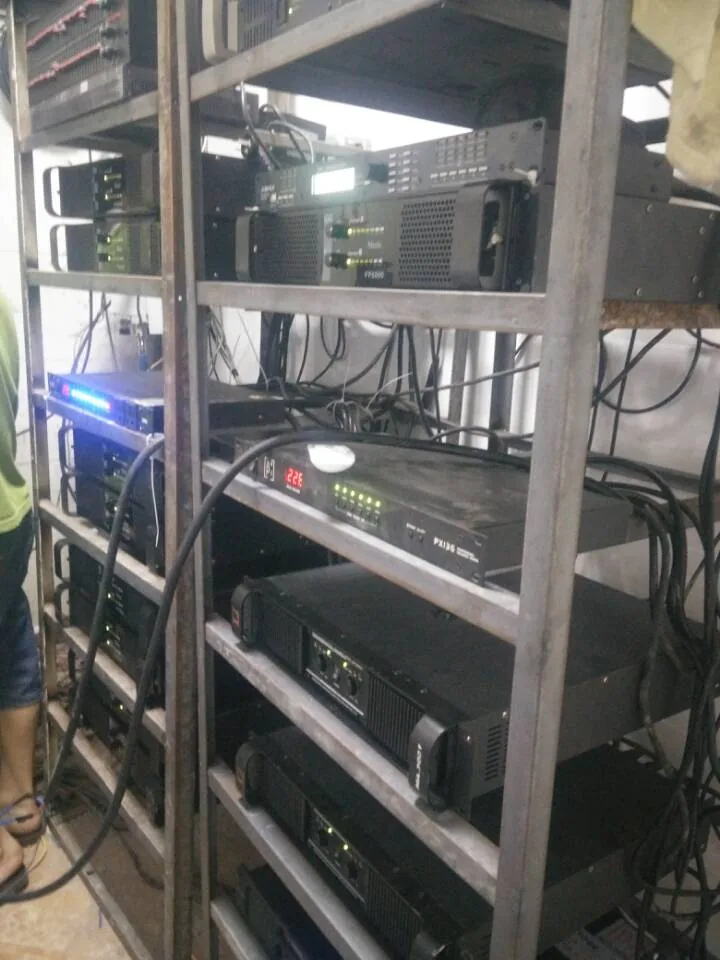
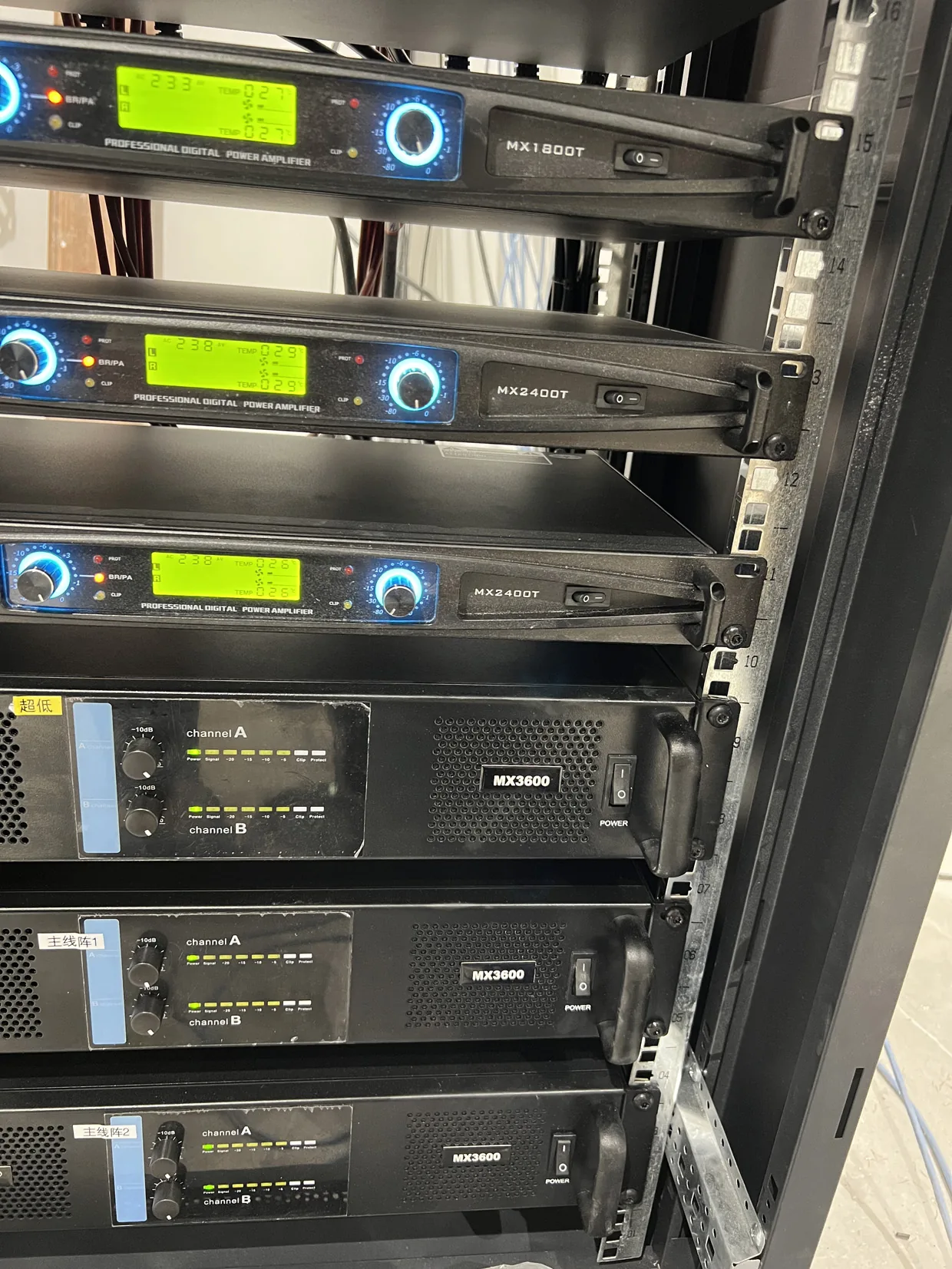
Dense touring amplifier rack with multiple power amplifier channels
Touring rack – multiple amplifier channels
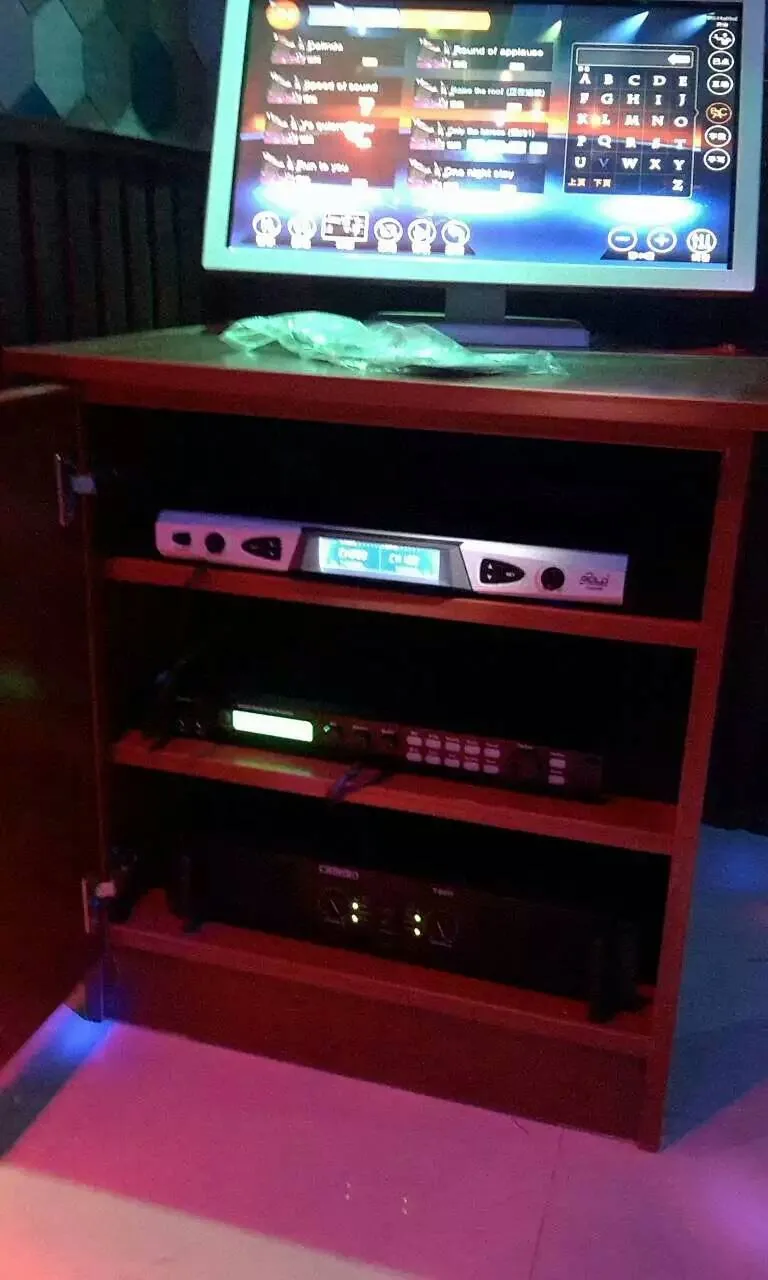
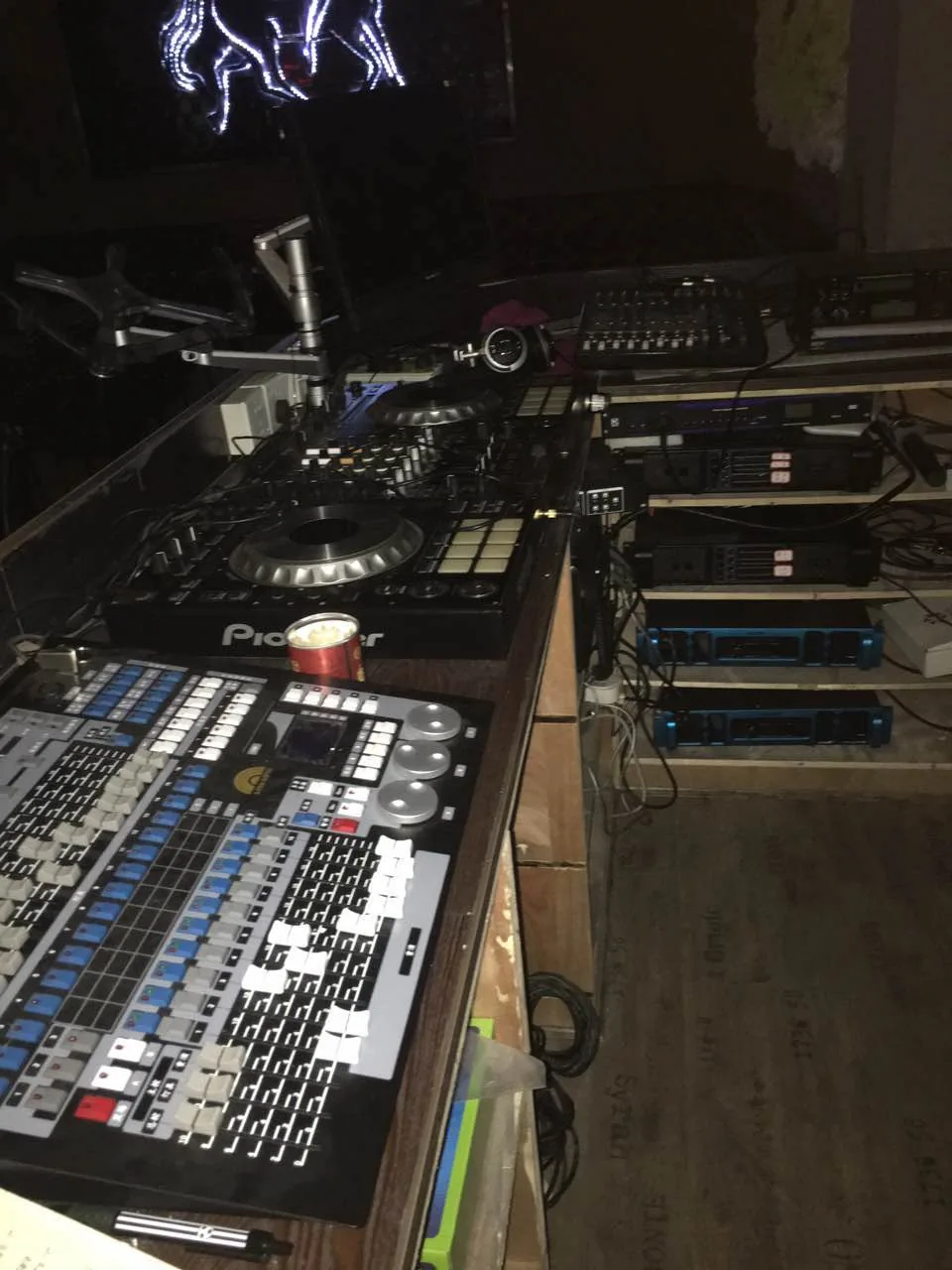
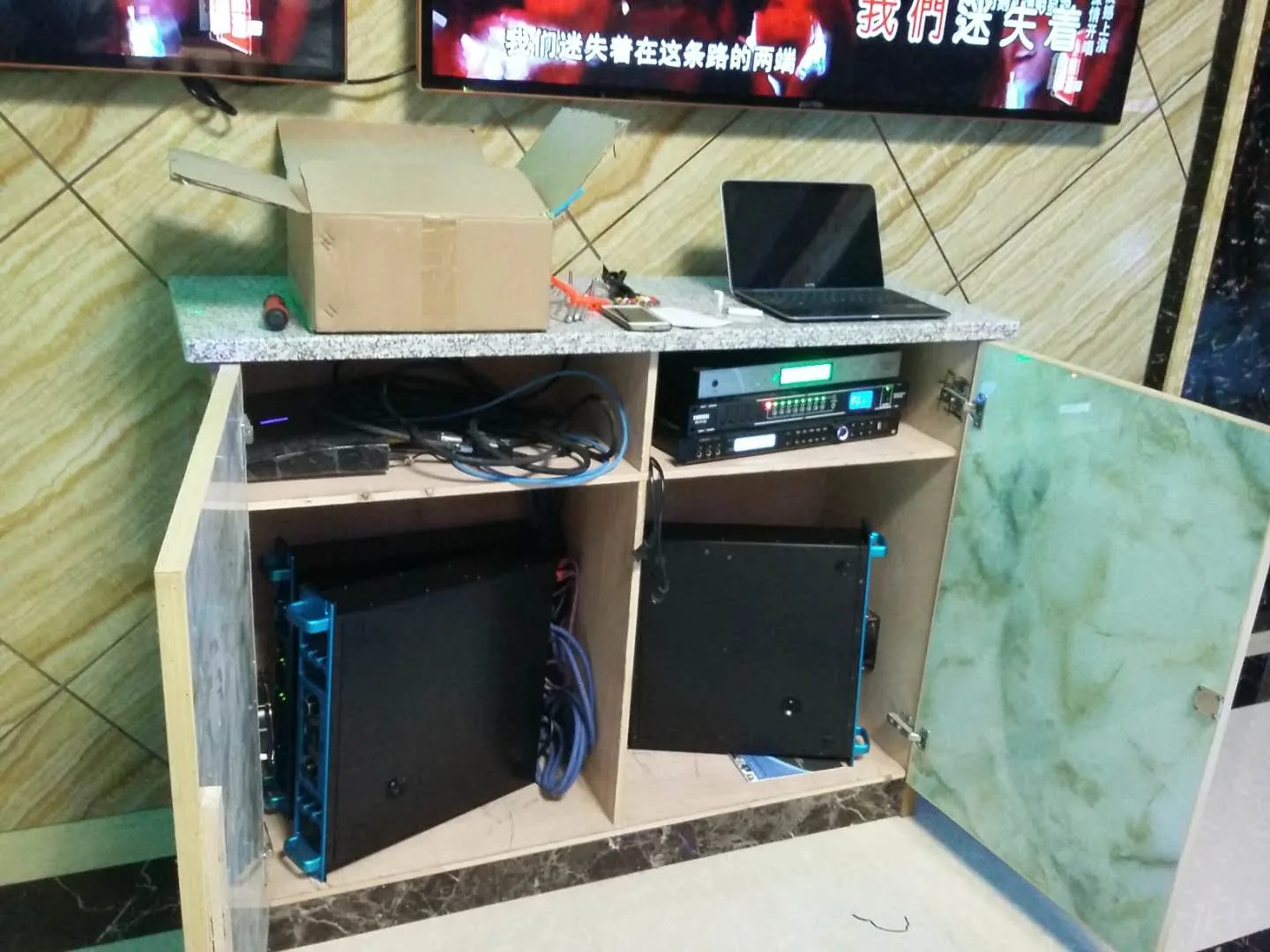
KTV equipment rack with power amplifiers, source players and monitor screen
KTV rack – amplifier and source units
Karaoke audio processor front panel with channel faders, echo and repeat controls and labelled source inputs
Karaoke processor – faders, echo and source inputs
Middle rack shelf holding a stack of power amplifiers with cable management
Middle rack shelf – amplifier stack
Rack shelf with rows of power amplifiers and front-to-back airflow
Rack shelf – amplifier rows
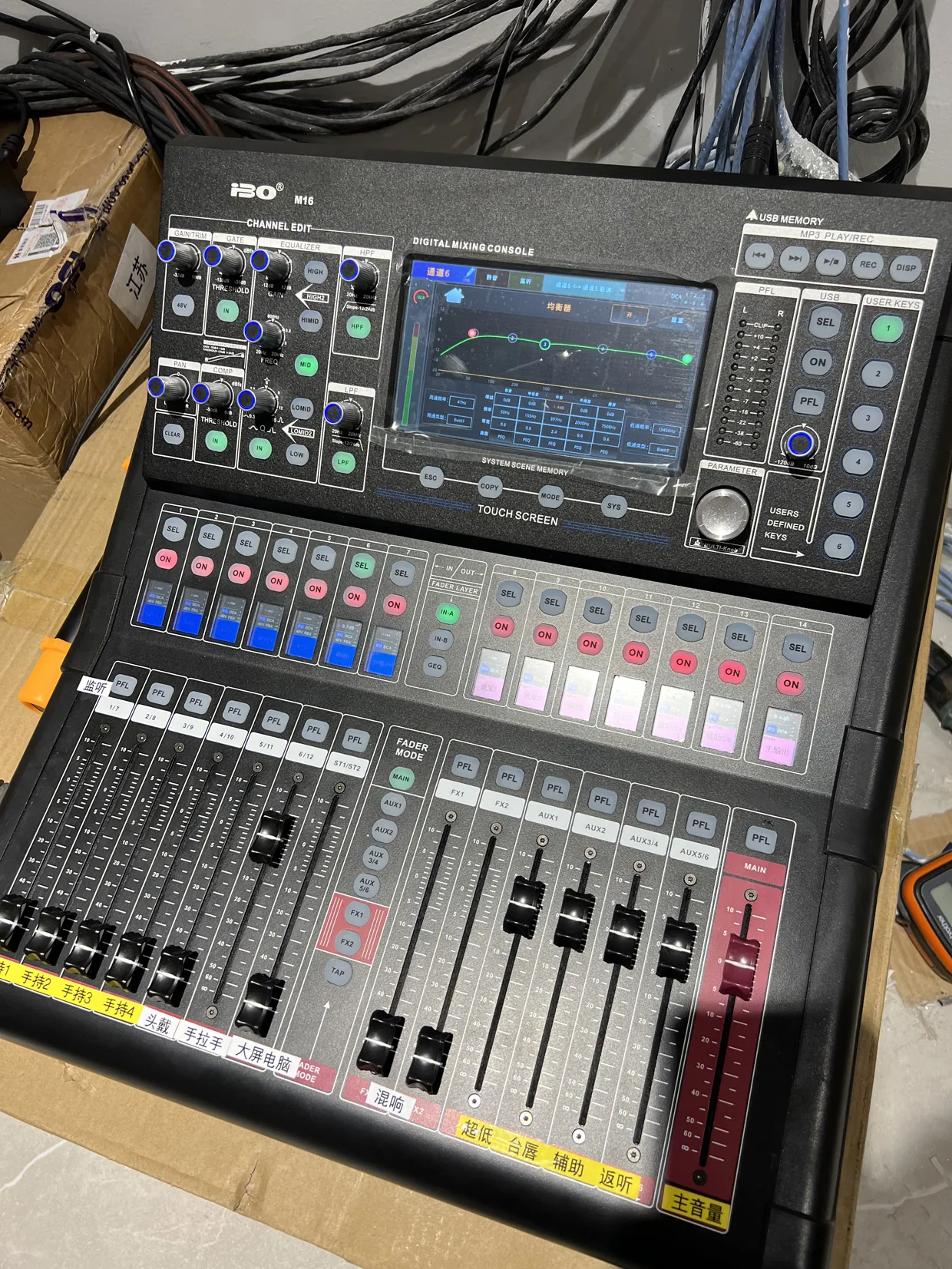
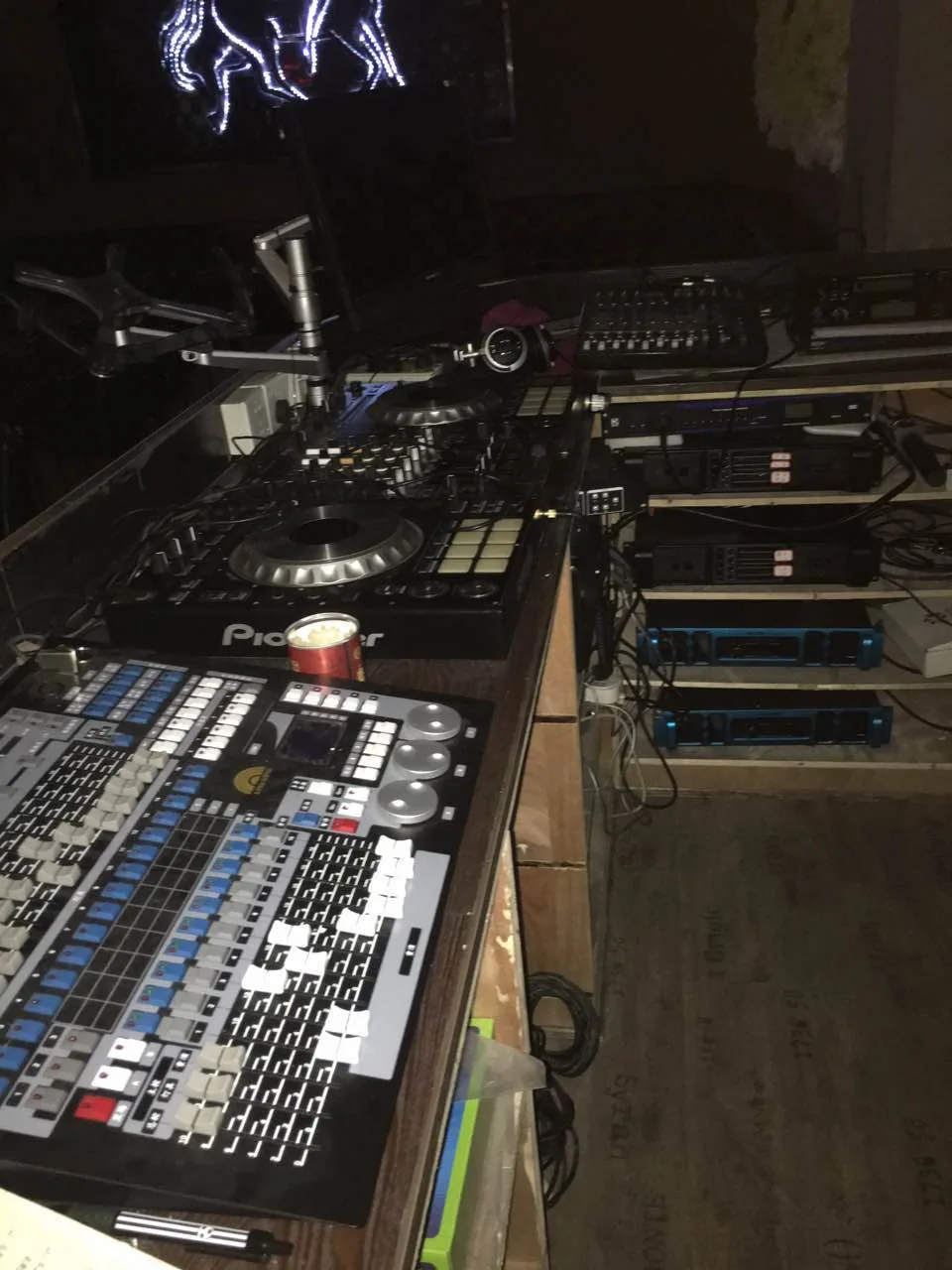
Mixing console position with outboard processing and amplifier control
Mixing position – console and outboard
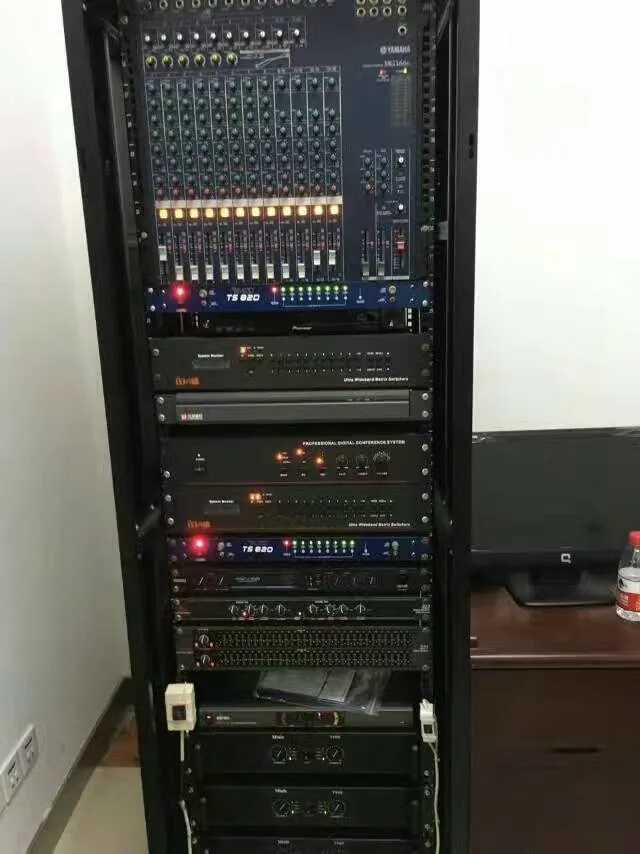
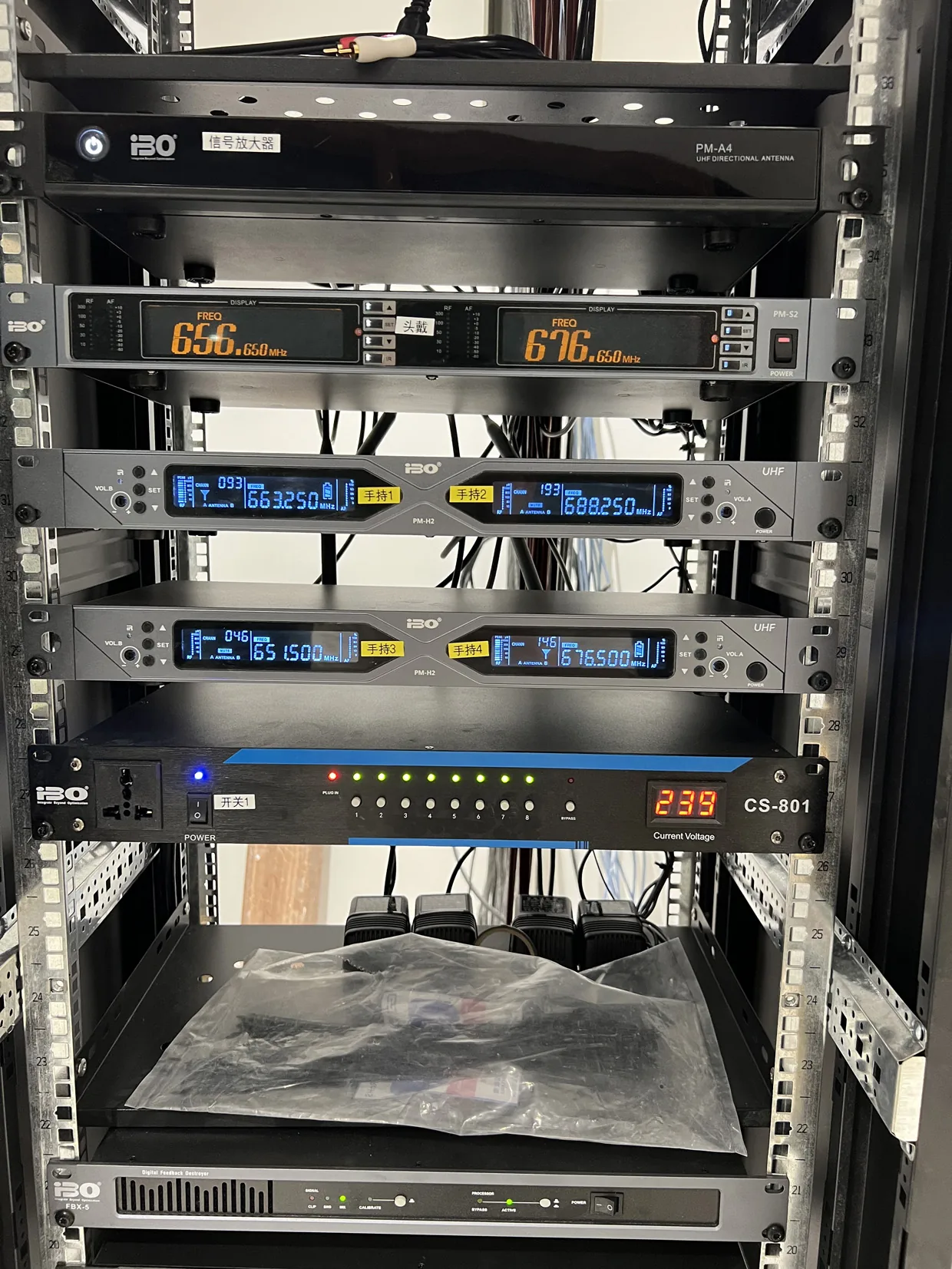
Full-height installation rack with amplifiers, processing and power distribution
Full-height rack – install build
Full rack of power amplifiers and signal processors in a fixed installation
Equipment rack – multi-channel install
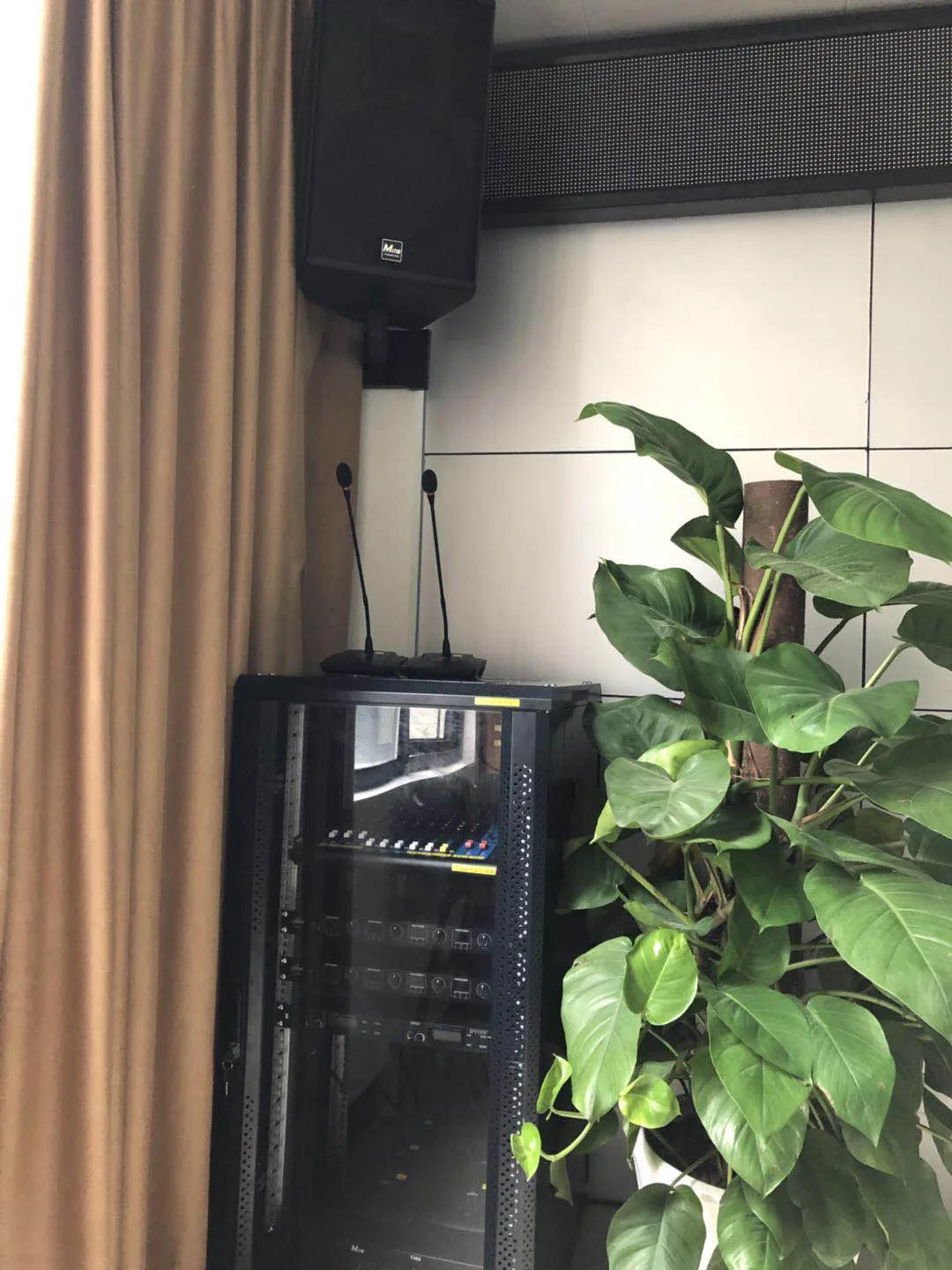
Equipment cabinet beside planting in a hospitality interior
Equipment cabinet – hospitality install
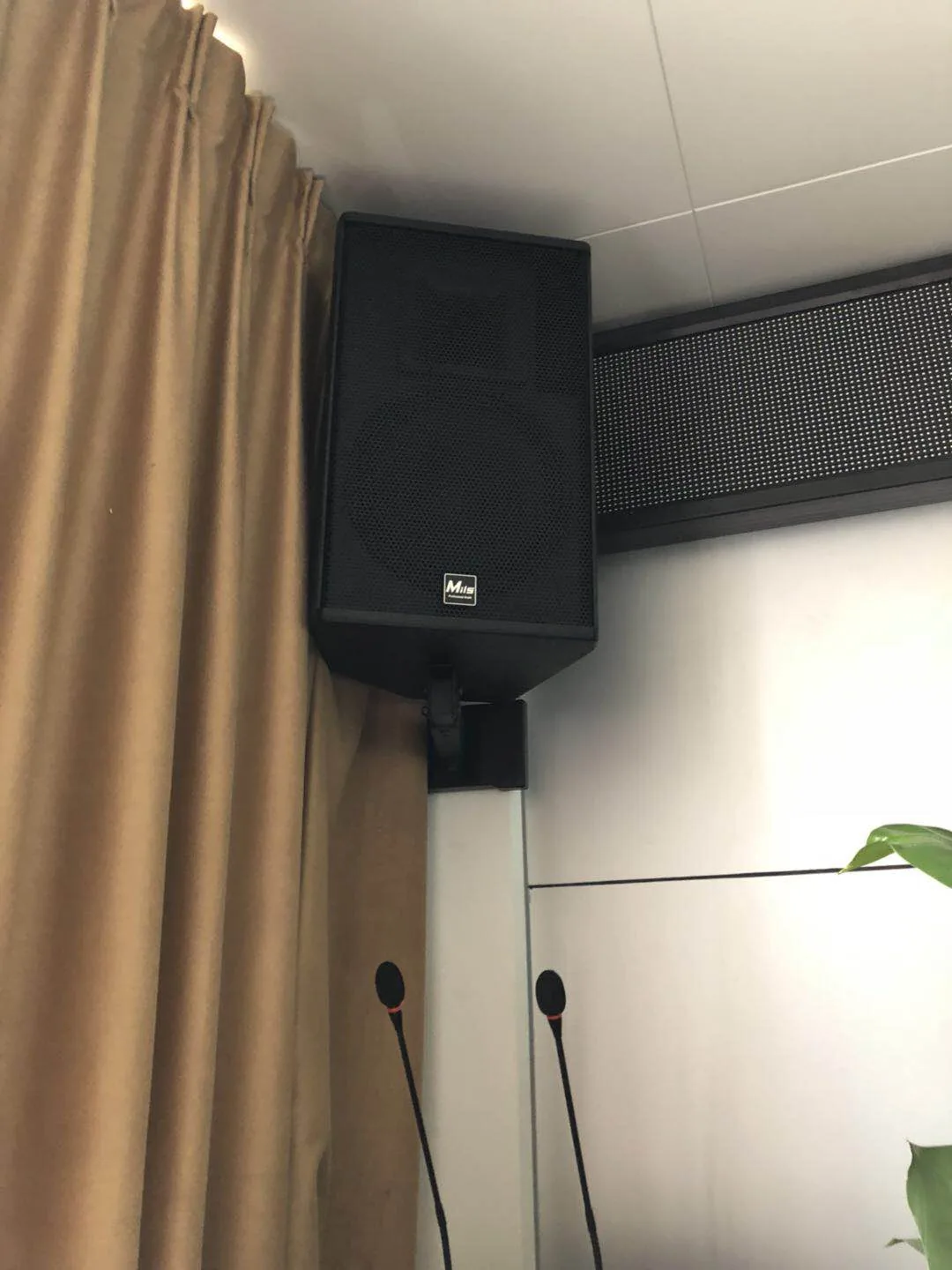
Corner-mounted loudspeaker at a ceiling transition with cable trunking
Corner speaker – ceiling transition detail
Amplifier rack during commissioning with covers removed
Commissioning – rack during setup
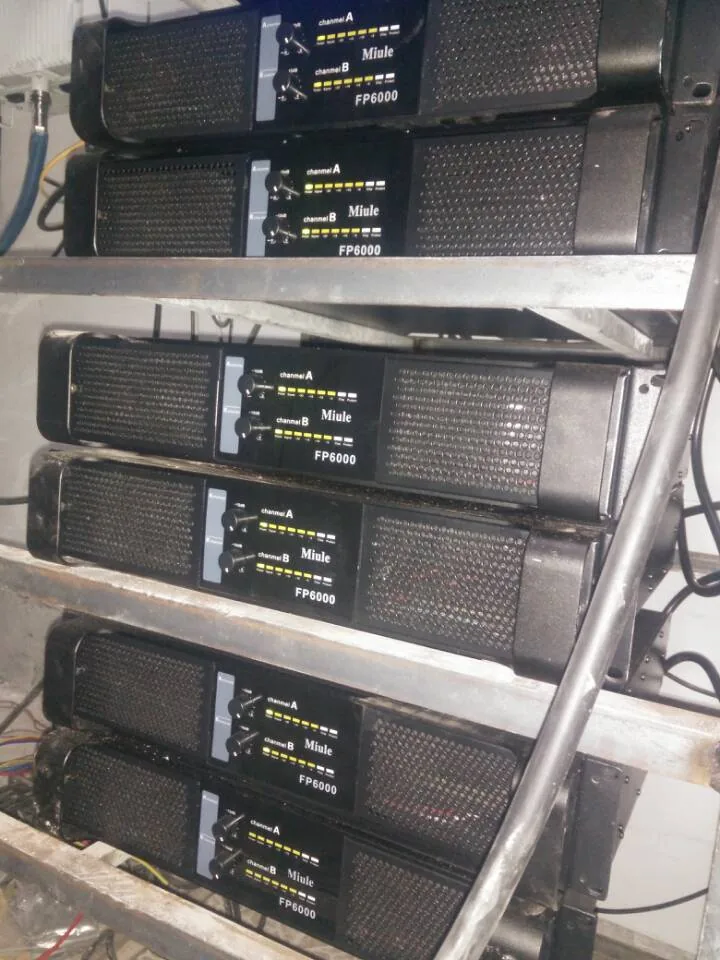
Amplifier layers in a rack showing spacing for airflow
Amplifier layers – rack airflow plan
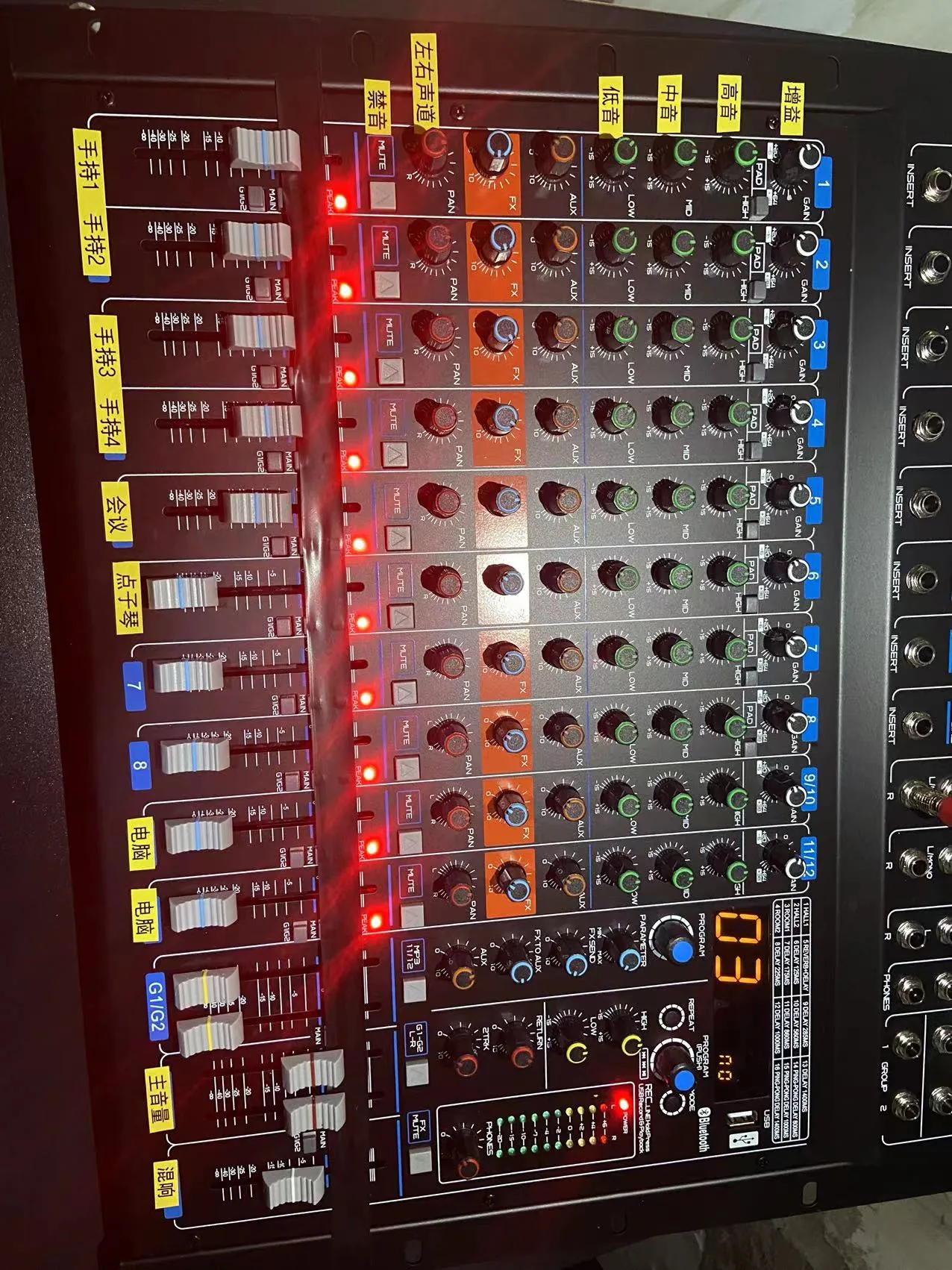
Mixing console channel strip detail during system commissioning
Mixing console – channel detail
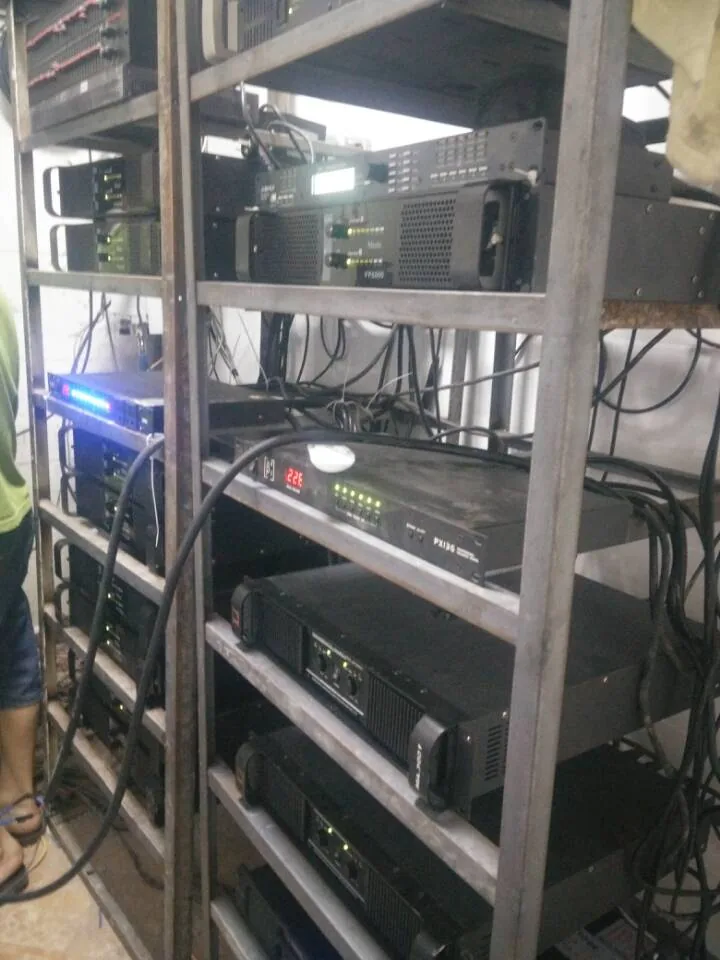
Rack containing signal processors feeding a chain of power amplifiers
Rack – processor and amplifier chain
Labelled amplifier rack with channel identification tags
Labelled rack – channel identification
Mixing console fader bank close-up at a venue control position
Console – fader bank close-up
Amplifier rack under construction during the wiring stage
Rack under construction – wiring stage
Amplifier rack under bench test before delivery to site
Rack – bench test before delivery
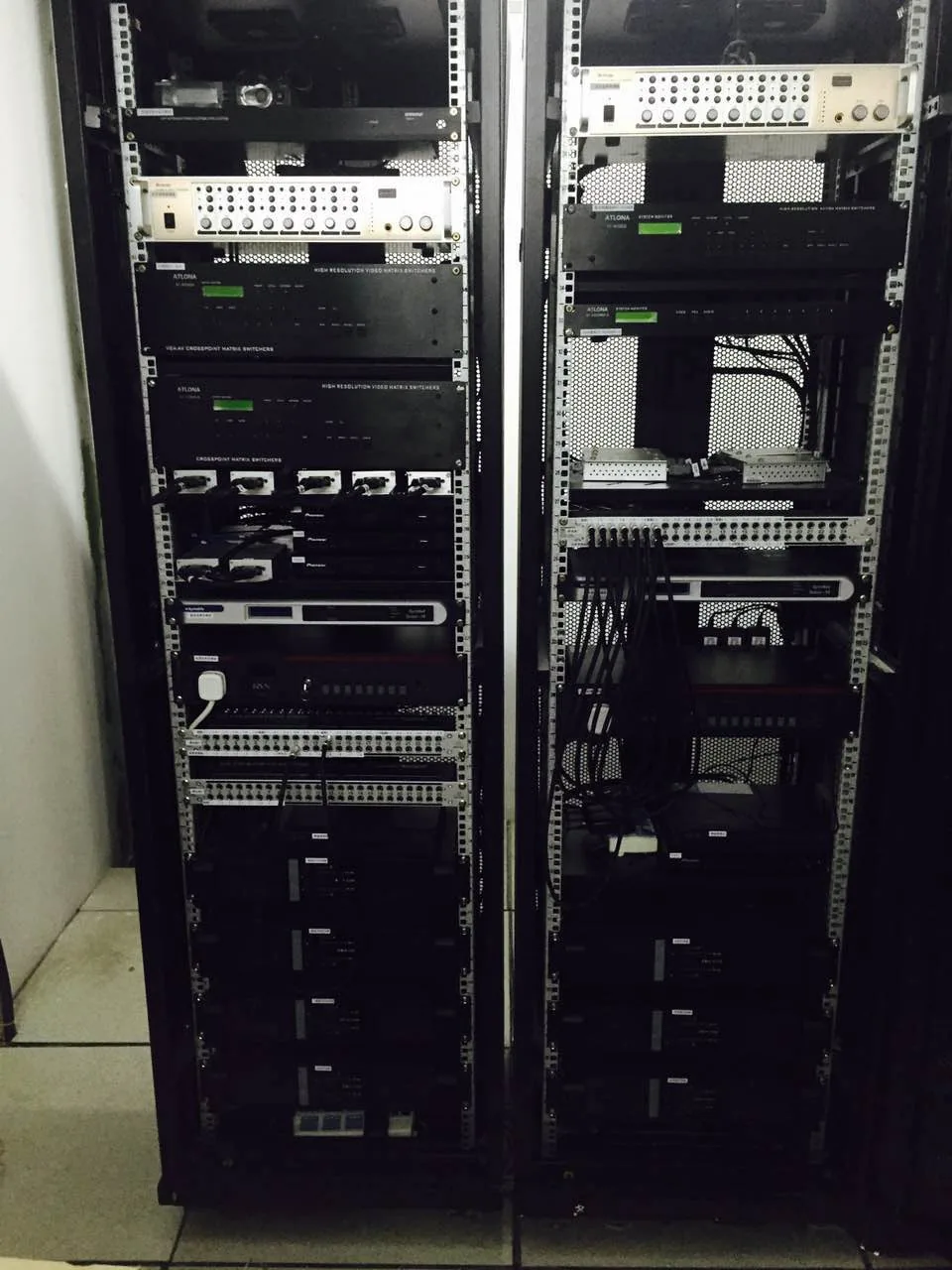
Twin amplifier racks split between stereo main and zone feeds
Twin racks – stereo and zone split
Amplifier rack beside installed loudspeakers, showing the complete system
Rack and speakers – system overview

Three installation notes

How the rooms above are actually amplified – channel counts, model numbers and the failure each design is built to avoid. All figures are from the published series specifications. Client names and venue capacities are withheld at the operator’s request; full references are available on request.

Reference note 01
KTV and nightlife

Six nights a week in a private KTV suite

The photograph is a finished private suite: dual screens, a 5.1 layout, colour-washed ceiling coves – and the amplifier rack standing in the corner of the room, not in a plant room. That one detail decides the whole design. Whatever sits in that rack is heard between songs, and it is heard through a microphone.

Five satellite positions plus one subwoofer is six discrete channels. The usual build is three stereo amplifiers – six channels of 2×300 W, one pair bridged for the sub – which means three mains leads, three signal runs and three gain structures to match by hand, in a room with one socket wall. A JK5316 puts the same six channels in one 3U chassis: 5×300 W + 600 W at 8Ω, or 5×450 W + 900 W at 4Ω, with the sub channel sized against the satellites from the start instead of bolted on afterwards.

The complaint in rooms like this is almost never “not loud enough”. It is vocals that vanish the moment the bass comes in. One chassis, one gain structure and a per-channel trim is what actually fixes it.

  • 6 discrete channels, one 3U chassis
  • 5×300 W + 600 W into 8Ω
  • 5×450 W + 900 W into 4Ω
  • >105 dB S/N (8Ω), damping >500 at 4Ω
  • DC, short-circuit, overload, over-heat, clipping, inrush
  • 3U 482 mm rack, front-to-back airflow

KTV system notes · JK Series specifications

Reference note 02
Conference and education

A 200-seat tiered lecture theatre, eight hours a day

Tiered rows, hard surfaces and a low noise floor change the priority order. In a theatre the amplifier is not asked for headroom, it is asked for silence between sentences and for the same behaviour in hour eight as in minute five.

Four zones – front fills, two delay rows and a stage monitor feed – is a four-channel job, not a stereo one. A DAI404 gives 4×400 W at 8Ω or 4×600 W at 4Ω in a 2U Class-D chassis, with selectable input sensitivity of 0.775 V / 1 V / 32 dB so it can be dropped behind whatever DSP the consultant already specified without re-trimming the whole system.

Two numbers matter more than the wattage here: ±0.3 dB across 20 Hz–20 kHz, so the speech band is not shaped by the amplifier, and a slew rate of ≥120 V/µs, so plosives and hand-claps do not turn into the clipped edge that makes a PA sound tired.

  • 4 zones from one 2U chassis
  • 4×400 W into 8Ω / 4×600 W into 4Ω
  • 20 Hz–20 kHz within ±0.3 dB
  • Slew rate ≥120 V/µs
  • Selectable 0.775 V / 1 V / 32 dB input
  • Class-D – low heat in a closed lectern rack

Conference and lecture room notes · DAI Series specifications

Reference note 03
Live and outdoor

An outdoor stage, two-ohm loads, four hours at a time

Ground-stacked subs on a festival site are the hardest load in the catalogue. Two 4Ω sub cabinets paralleled is 2Ω, the amplifier holds that for the length of a set, and the rack is standing in a tent at 38 °C with dust on the filters.

The configuration that survives this is boring and repeatable: FP15000 bridged into 4Ω for subs – 6,000 W per bridged pair – and FP10000 in stereo at 4Ω for the tops, 2×1,500 W, both 2U. Waved copper heatsinks and variable-speed front-to-back fans matter more than the model number on the front panel; the amplifier has to keep drawing air after the third hour, when the tent has warmed up and the show is still running.

The failure we see most often is not a blown channel. It is a thermal shutdown at 22:40 because the rack was built for the studio, not for the load and the ambient.

  • Bridged 4Ω: 6,000 W per pair (FP15000)
  • Stereo 4Ω: 2×1,500 W (FP10000)
  • Stable into 2Ω at full power
  • Waved copper heatsinks, 30% better than aluminium
  • Variable-speed fans, front-to-back airflow
  • 2.0 mm steel chassis, 2.5 mm aluminium panel

Touring and live notes · FP Series specifications

Have a room like one of these?

Send the room type, seat or zone count and the loudspeaker list. We will come back with a channel plan, model numbers and a delivered price – usually within one working day.

Request a system proposal